
Why Dryer Vent Cleaning Is Not Optional in Texas Homes (and Dallas Is No Exception)
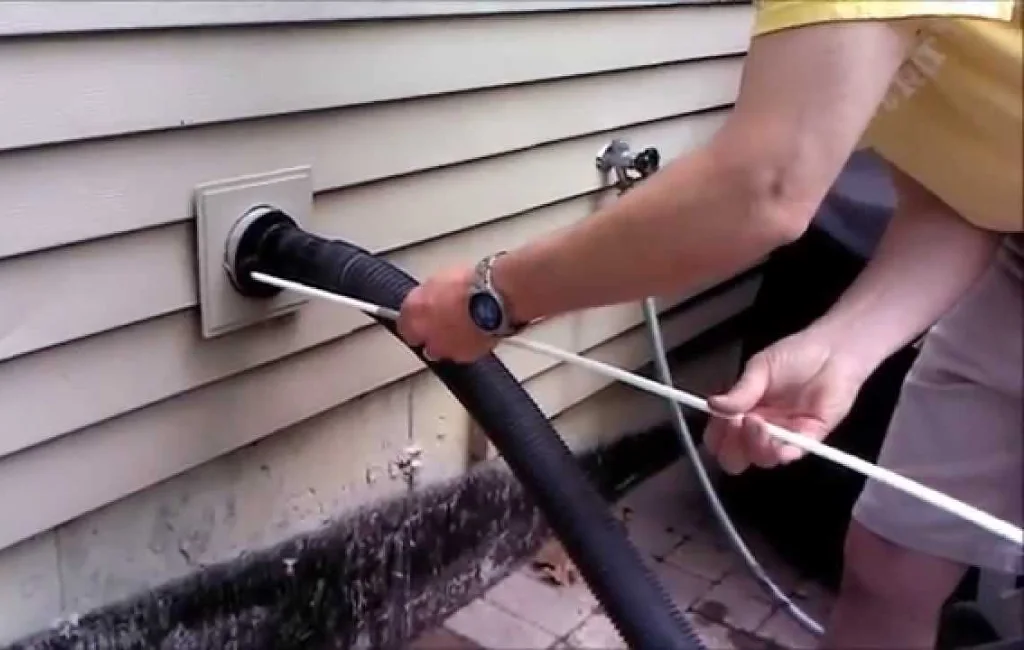
If my dryer still dries clothes, do I really need dryer vent cleaning? Yes, because a vent can be dangerously restricted long before the dryer “fails.” In Dallas, I want you to treat the dryer vent like a hidden safety system, not just a tube behind the wall. A proper airflow inspection that shows what you can’t see often reveals restriction points homeowners never knew existed, especially in longer vent runs or tight elbows, and those are the exact spots where heat and lint stack up quietly. At Lara’s Air Duct Cleaning, we’ve spent 10+ years working inside real North Texas homes where the warning signs started small: longer dry times, extra heat, a faint burnt smell, and humidity that lingers. NFPA research on home fires involving dryers points to thousands of incidents each year, and failure to clean shows up as a leading contributing factor. Here’s exactly why ignoring your dryer vent can be dangerous and expensive, in Dallas and across Texas. By the end of this guide, you’ll know how to: Recognize the signs your vent is becoming unsafe Understand why the Texas heat and humidity speed up lint buildup Set a realistic Dallas cleaning schedule based on your household Know what pros do differently than DIY tools can reach Estimate Dallas pricing factors before you book anything Why Are Dryer Vent Fires So Common in Texas Homes? Dryer vent fires usually follow one chain reaction: lint builds up, airflow gets restricted, heat rises, and flammable lint becomes fuel. Once exhaust can’t move freely, the dryer runs hotter and longer, and ignition risk increases. NFPA reporting on home fires involving clothes dryers consistently shows that “failure to clean” is a major contributing cause. Trust callout (NFPA): NFPA research documents thousands of dryer-involved home fires and identifies failure to clean as a top contributing factor. A Dallas pattern I see often is this: a homeowner tells me, “The dryer still works, it just takes longer.” When we check the vent run, the lint trap is clean, but the duct line is packed at a bend or near the exterior exit. The dryer still turns on, but it’s operating under unsafe heat stress. How Texas Heat and Humidity Make Lint Buildup Worse and Faster Texas heat doesn’t create lint, but it absolutely accelerates the problem once airflow starts tightening. Moisture makes lint heavier and stickier. Instead of staying light, it clumps, sticks to the duct walls, and builds layers faster, especially at elbows and long runs. That clumped lint restricts airflow more, which traps more heat, then the cycle repeats. Dallas has a long warm season and regular humidity swings, which makes vent lines hold moisture longer than most homeowners expect. A simple example: one homeowner assumed humidity is “outside only.” But dryer exhaust is hot, moist air. If it can’t exit cleanly, the vent stays damp longer, lint packs tighter, and the dryer runs hotter. What Are the Clear Signs Your Dryer Vent Needs Cleaning Right Now? If you were sitting across from me, this is the checklist I’d hand you first. The clearest signs are performance changes and heat changes. If you notice even two or three of these, take it seriously: Longer drying time (one load becomes two cycles) Dryer exterior feels hotter than normal Burning odor or hot-lint smell Laundry room feels more humid during use Exterior vent flap barely opens when the dryer runs Lint collecting behind the dryer or near the wall connection Dryer shuts off early or struggles to finish normally Most people search “signs dryer vent needs cleaning” after the first time towels take forever. The mistake is waiting until it becomes the “new normal.” Hidden Signs Most Dallas Homeowners Miss These show up even when the dryer still “works.” Musty smell on towels after heavy loads Condensation or moisture around the laundry area More lint dust in the room, which affects comfort and breathing In gas dryers, any exhaust backflow concerns should be treated seriously A lot of homeowners miss the bigger airflow connection, which is why targeted vent cleaning inside the home can matter when you’re dealing with dust and stale air at the same time, and it helps you avoid fixing only one symptom. Safety note: If you smell burning or the dryer is overheating to the point it feels unsafe, stop using it until the exhaust path is checked. How Often Should You Clean Your Dryer Vent in Dallas or North Texas? Most Dallas homes should plan on at least once a year, and many should do it every 6 to 9 months. The right schedule depends on lint volume and duct complexity. More loads, pets, long vent runs, and roof terminations all increase how quickly restrictions form. Household type Practical schedule Why it matters Light use (1–2 people) Every 12–18 months Lower lint volume Typical family use Every 12 months Prevents slow buildup Kids, sports loads, frequent laundry Every 6–9 months Higher lint and heat demand Pets, lots of blankets/towels Every 6–9 months More fibers, faster packing Long runs or roof termination Every 6–9 months More choke points One Dallas reality: Homeowners clean the lint trap and assume that’s enough. It helps, but it does not remove the lint that compacts deeper in the run. What Are the Real Benefits of Professional Dryer Vent Cleaning? You don’t do this for a checklist. You do it because you want safer airflow, lower strain, and fewer repeat cycles. The benefits of dryer vent cleaning usually show up fast: Reduced fire risk from packed lint in the exhaust path Shorter drying cycles, so you stop running repeat loads Lower energy waste because the dryer isn’t fighting restriction Less wear on parts, which can extend dryer lifespan Less heat and humidity in the laundry area A practical example: when a vent is partially blocked, towels might take 70–90 minutes instead of 40. After clearing the restriction, many homes go back to normal cycles right away. When airflow problems show up