Is Air Duct Cleaning Worth It? An Honest Homeowner’s Guide (2026)
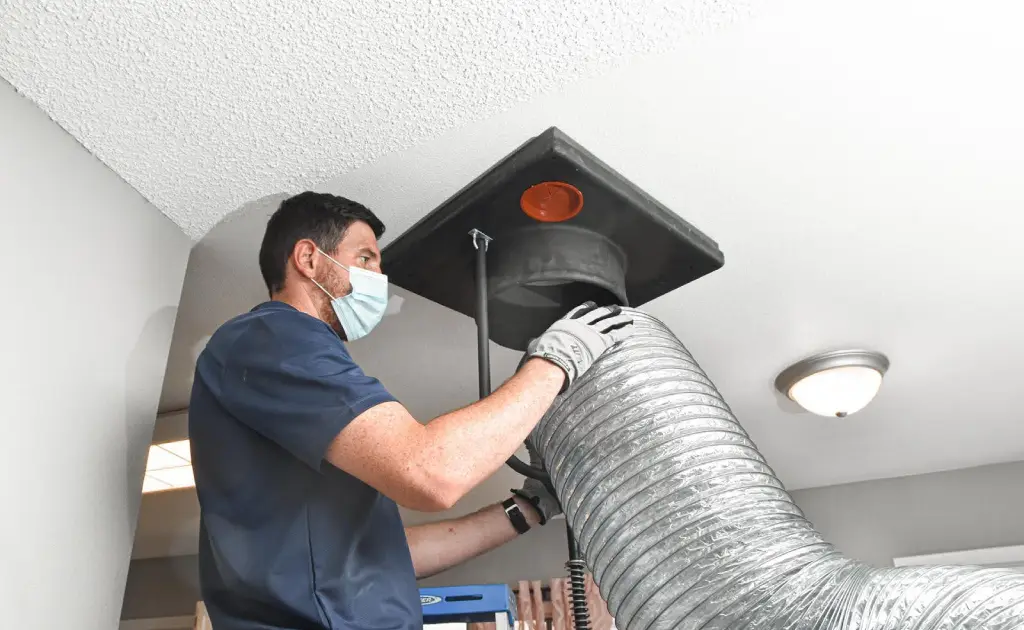
If you’ve noticed a musty smell from your vents or have been sneezing more than usual in your Richardson home, air duct cleaning might be the solution you’re considering. But is it really necessary? And when should you get it done? Richardson, TX, like many areas in North Texas, faces unique air quality challenges, pollen, dust, and mold are common indoor pollutants. If you’re already sure you need help, explore our air duct cleaning services in Richardson. But if you’re still on the fence, let’s break down the science, the real benefits, and when you might want to hold off. By the end of this article, you’ll know: The key signs that your ducts need cleaning When it’s worth the investment (and when it’s not) The real benefits of professional air duct cleaning How to spot potential scams in the industry Tips on finding a reliable, certified duct cleaning service “Breathe easier and live healthier with Lara’s Air Duct Cleaning. Discover when air duct cleaning can truly make a difference.” What Does the EPA Really Say About Air Duct Cleaning? Before we dive into when to clean your air ducts, it’s important to understand what the Environmental Protection Agency (EPA) has to say about it. The EPA does not recommend routine air duct cleaning for the sake of routine maintenance. Instead, they suggest cleaning only when there are visible signs of mold, pest infestation, or excessive dust buildup that’s being recirculated through the system. Studies show that cleaning air ducts doesn’t necessarily improve health or efficiency unless there’s an actual issue, like mold growth or large amounts of dust that affect airflow. The EPA also notes that dust in ducts doesn’t always affect indoor air quality unless it’s being dispersed into your living space. Duct cleaning is not a routine task, only necessary when there’s visible contamination. If you’re a renter, you might wonder if you can request air duct cleaning from your property manager. If you’re still unsure about whether air duct cleaning is needed in your home, you can learn more about air duct inspections to detect any visible issues like mold or pests that require cleaning. What Are the Most Common Signs Your Richardson Home’s Air Ducts Need Cleaning? It’s not always easy to tell if your air ducts need cleaning. But there are a few clear signs to watch for. If any of these sound familiar, it might be time for a professional inspection: Musty Smells Coming from Vents If you notice a musty odor coming from your vents, it could be a sign that there is mold or mildew in the ducts. This is common in humid climates like Richardson, TX, where excess moisture can contribute to mold growth inside the ducts. If you suspect mold is present, it’s worth calling a mold remediation professional to tackle the issue before it worsens. Excessive Dust Around Registers and Furniture If you’re constantly cleaning dust from your vents or nearby furniture, it’s a clear indicator that dust is circulating through your HVAC system. When ducts are clogged with dust, they can’t filter and circulate clean air properly, leaving your home feeling dusty. In this case, it might be worth scheduling a dryer vent cleaning service to remove the debris. Worsening Allergies or Respiratory Issues In homes with pets, small children, or allergy sufferers, dirty air ducts can exacerbate symptoms. Dust, pet dander, and mold spores that collect in your ducts can be recirculated throughout the home, aggravating allergies, asthma, or respiratory issues. You might also consider scheduling a furnace cleaning service to ensure your entire HVAC system is running efficiently. Visible Mold or Pest Evidence If you’ve noticed mold around your vent registers, or you’ve seen signs of pest infestation like droppings, it’s time to call in a professional for cleaning. These issues can significantly impact indoor air quality and should not be ignored. Contact a professional air duct cleaning service to handle this problem quickly and efficiently. When Is Air Duct Cleaning Especially Worth It in Richardson, TX? While air duct cleaning is not always necessary, there are times when it makes a lot of sense. Here are a few situations where getting your ducts cleaned is definitely worth it: After Home Renovations or Construction If you’ve recently completed a home renovation or construction project, your ducts might be filled with construction dust and debris. This type of cleaning is essential to ensure that your air ducts don’t continue to circulate harmful particles throughout your home. To maintain a healthy indoor environment, you can also check your dryer vents for debris. Read more about post-renovation cleaning to ensure your ducts remain free from construction dust and contaminants. In Homes with Pets or Allergy Sufferers Pet owners in Richardson know that dander can get everywhere, including your ducts. If you have allergy sufferers in your home, keeping your ducts clean can reduce exposure to irritants and improve indoor air quality. Find tips for managing allergies in your DFW home through regular HVAC maintenance and duct cleaning. In Older Homes or Humid North Texas Climates Older homes with older HVAC systems, combined with the high humidity in Richardson, create the perfect environment for dust buildup and mold growth. These conditions make air duct cleaning particularly important. If your home fits this description, a HVAC system check-up is highly recommended to maintain efficient airflow and air quality. When Is Air Duct Cleaning Probably Not Worth the Investment? While air duct cleaning offers many benefits, there are times when it might not be necessary. Consider skipping the cleaning in these situations: Newer Homes with Minimal Dust Buildup If your home is new, with minimal dust buildup, it’s probably not necessary to clean the ducts right away. Ducts in new homes often don’t have the same level of contaminants as older systems. No Visible Symptoms or Health Changes If you don’t see signs of mold, dust buildup, or notice any health issues like worsening allergies, it might be fine to
How Much Should Air Duct Cleaning Cost in Dallas?
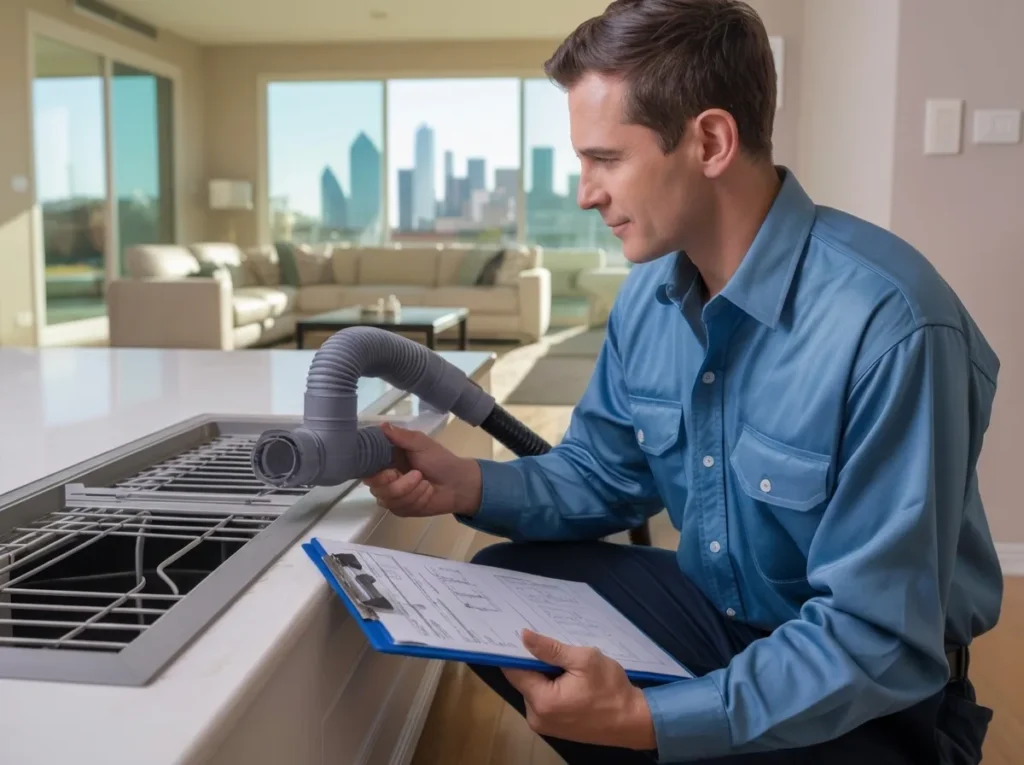
So what’s a fair, realistic price for duct cleaning in a Dallas home? Most full-system cleanings in Dallas land close to $499, with many legitimate quotes falling in the $263–$737 range depending on your home size, vent count, system count, and access. When you start comparing quotes, I recommend beginning with an air duct inspection because skipping the evaluation is how homeowners end up paying for the wrong scope. Here in Dallas, we see a predictable pattern: bigger homes, long HVAC run-times, and humidity swings can push dust, debris, and moisture-related issues deeper into the ductwork than people expect. I’m writing this as the owner of Lara’s Air Duct Cleaning, sitting across from you as I would in a real consult. I’ll keep it practical and transparent, especially around pricing and the $99 offers you keep seeing. Here’s what this guide will help you understand: What a realistic Dallas price range looks like in 2026, and how to compare quotes fairly Why $99 deals can be legitimate promotions or expensive upsell traps, and how to tell the difference How pricing changes based on vents, home size, HVAC systems, access difficulty, and contamination concerns What a professional cleaning should include, so you can spot shortcuts immediately When duct cleaning is worth paying for, based on real signs inside your home What Is the Average Cost of Air Duct Cleaning in Dallas Right Now? Most Dallas homeowners pay about $499 for a full professional job, with a typical range of $263–$737. That’s the cleanest benchmark you can use when you’re comparing quotes. So if you’re seeing a price far below that range, assume the service is limited until proven otherwise. If you’re seeing a price far above it, you deserve a clear explanation tied to your home’s layout, contamination level, or access difficulty. Dallas cost snapshot (2026 local benchmark) Metric Dallas typical Average cost of air duct cleaning $499 Typical full-system range $263–$737 Low end (often limited) As low as $135 High-end (complex cases) up to $1,300 Why Dallas Prices Differ from National Averages Dallas pricing can run higher than generic national averages because local homes are often larger, and larger homes mean more ductwork, more registers/grilles, and more labor time. Angi’s Dallas data points out an average home size around 2,200 sq ft, and it lists a size-based estimate range of about $0.19–$0.38 per square foot. That’s why it’s normal to see a higher HVAC duct cleaning cost in North Texas than in a small-home market. Why Are Some Companies Advertising $99 Air Duct Cleaning in Dallas? If you’re feeling unsure about this part, you’re not alone. A $99 offer can be a real promotion, but many of these ads are structured to get a crew inside your home and then sell add-ons that bring the total closer to a normal market price. When the Dallas average paid is about $499, a “full cleaning” for $99 usually means either (1) a limited scope, or (2) upsells to cover the real labor and equipment. Here’s the clearest comparison I can give you: What matters Typical “$99 special.” Full duct cleaning service Coverage Often surface-only vent vacuuming Whole house air duct cleaning, supply + returns + main trunks Proof Little to no verification Video inspections or clear before/after proof Method Minimal tools Negative air pressure + agitation methods + source removal Time Very short Long enough to clean the duct system properly A quick reality check I give clients: professional air duct cleaning process work takes time and controlled removal. If the crew is in and out fast, it’s rarely a deep clean. How Much Does Air Duct Cleaning Cost Per Vent vs Flat Rate in Dallas? Both models can be fair, but only if the quote clearly defines what’s included. Air duct cleaning price per vent is common when pricing is built off the number of supply + return openings. Flat fee pricing is common when the company bases the quote on home size, number of systems, and accessibility. Typical ballpark pricing you may see in Dallas: Pricing model What you might see What to confirm Per vent $25–$50 per opening Does “vent” include returns? Are the main trunks included? Flat fee pricing $400–$700 Is it full-system or vents-only? Square footage pricing $0.19–$0.38/sq ft Is that estimate tied to inspection findings? If you’re comparing offers and the quote is per vent, I’d also compare it against what a full air duct vent cleaning scope typically includes, so you’re not mixing “register-level work” with “whole system cleaning” by accident. What Factors Actually Determine Your Air Duct Cleaning Price in Dallas? Before you decide anything, it helps to know what actually moves the price. Most pricing comes down to labor time and difficulty, not just “how dirty it is.” The same company can give two very different estimates because two duct systems can be totally different behind the walls and in the attic. Home Size, Number of Vents, and Number of HVAC Systems This is the biggest driver. More square footage usually means more supply runs, more returns, more registers and grilles, and longer cleaning time. Add a second system and you’re essentially cleaning two separate networks. This is why cost to clean air ducts in home can shift quickly between a one-system townhome and a two-system suburban home. Duct Accessibility, Age of Home, and Duct Material Access is where jobs become “simple” or “difficult.” Hard-to-access duct system layouts increase setup time and safe access openings. Older homes often have complicated runs and tight chases. Duct material matters: rigid metal ducts generally tolerate tools better than flex ducts or fiberglass duct board, which require careful handling. When a quote doesn’t ask anything about access, it’s usually not a precise estimate. That’s exactly why residential air duct cleaning pricing should be tied to what the system actually looks like in your home. Mold, Moisture, or Heavy Contaminant Issues This is where costs can climb fast, and for legitimate reasons. If there’s moisture buildup, musty
Why Dryer Vent Cleaning Is Not Optional in Texas Homes (and Dallas Is No Exception)
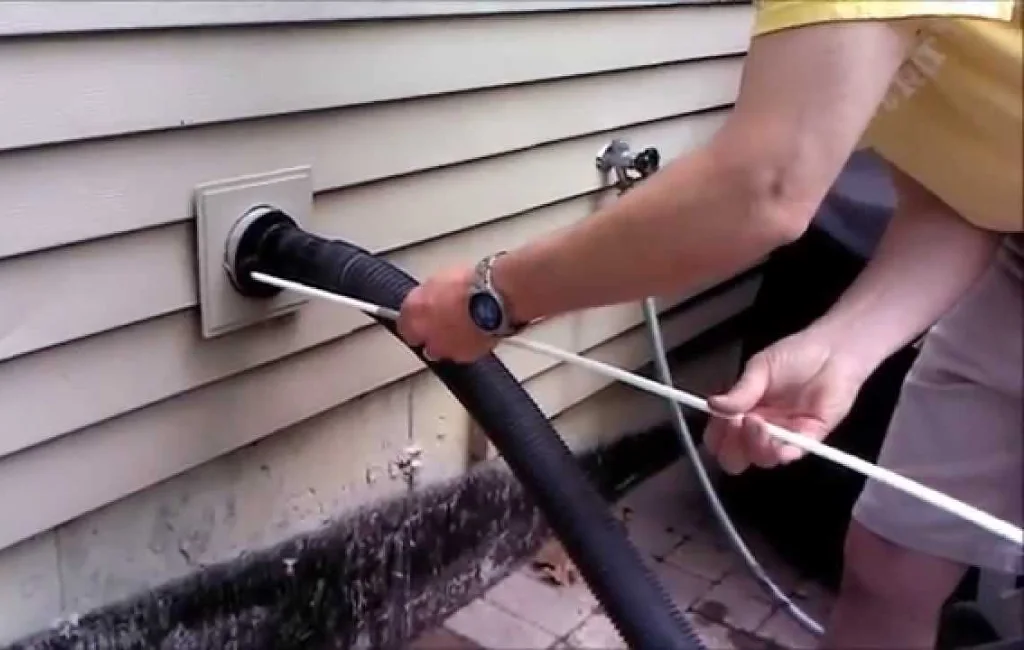
If my dryer still dries clothes, do I really need dryer vent cleaning? Yes, because a vent can be dangerously restricted long before the dryer “fails.” In Dallas, I want you to treat the dryer vent like a hidden safety system, not just a tube behind the wall. A proper airflow inspection that shows what you can’t see often reveals restriction points homeowners never knew existed, especially in longer vent runs or tight elbows, and those are the exact spots where heat and lint stack up quietly. At Lara’s Air Duct Cleaning, we’ve spent 10+ years working inside real North Texas homes where the warning signs started small: longer dry times, extra heat, a faint burnt smell, and humidity that lingers. NFPA research on home fires involving dryers points to thousands of incidents each year, and failure to clean shows up as a leading contributing factor. Here’s exactly why ignoring your dryer vent can be dangerous and expensive, in Dallas and across Texas. By the end of this guide, you’ll know how to: Recognize the signs your vent is becoming unsafe Understand why the Texas heat and humidity speed up lint buildup Set a realistic Dallas cleaning schedule based on your household Know what pros do differently than DIY tools can reach Estimate Dallas pricing factors before you book anything Why Are Dryer Vent Fires So Common in Texas Homes? Dryer vent fires usually follow one chain reaction: lint builds up, airflow gets restricted, heat rises, and flammable lint becomes fuel. Once exhaust can’t move freely, the dryer runs hotter and longer, and ignition risk increases. NFPA reporting on home fires involving clothes dryers consistently shows that “failure to clean” is a major contributing cause. Trust callout (NFPA): NFPA research documents thousands of dryer-involved home fires and identifies failure to clean as a top contributing factor. A Dallas pattern I see often is this: a homeowner tells me, “The dryer still works, it just takes longer.” When we check the vent run, the lint trap is clean, but the duct line is packed at a bend or near the exterior exit. The dryer still turns on, but it’s operating under unsafe heat stress. How Texas Heat and Humidity Make Lint Buildup Worse and Faster Texas heat doesn’t create lint, but it absolutely accelerates the problem once airflow starts tightening. Moisture makes lint heavier and stickier. Instead of staying light, it clumps, sticks to the duct walls, and builds layers faster, especially at elbows and long runs. That clumped lint restricts airflow more, which traps more heat, then the cycle repeats. Dallas has a long warm season and regular humidity swings, which makes vent lines hold moisture longer than most homeowners expect. A simple example: one homeowner assumed humidity is “outside only.” But dryer exhaust is hot, moist air. If it can’t exit cleanly, the vent stays damp longer, lint packs tighter, and the dryer runs hotter. What Are the Clear Signs Your Dryer Vent Needs Cleaning Right Now? If you were sitting across from me, this is the checklist I’d hand you first. The clearest signs are performance changes and heat changes. If you notice even two or three of these, take it seriously: Longer drying time (one load becomes two cycles) Dryer exterior feels hotter than normal Burning odor or hot-lint smell Laundry room feels more humid during use Exterior vent flap barely opens when the dryer runs Lint collecting behind the dryer or near the wall connection Dryer shuts off early or struggles to finish normally Most people search “signs dryer vent needs cleaning” after the first time towels take forever. The mistake is waiting until it becomes the “new normal.” Hidden Signs Most Dallas Homeowners Miss These show up even when the dryer still “works.” Musty smell on towels after heavy loads Condensation or moisture around the laundry area More lint dust in the room, which affects comfort and breathing In gas dryers, any exhaust backflow concerns should be treated seriously A lot of homeowners miss the bigger airflow connection, which is why targeted vent cleaning inside the home can matter when you’re dealing with dust and stale air at the same time, and it helps you avoid fixing only one symptom. Safety note: If you smell burning or the dryer is overheating to the point it feels unsafe, stop using it until the exhaust path is checked. How Often Should You Clean Your Dryer Vent in Dallas or North Texas? Most Dallas homes should plan on at least once a year, and many should do it every 6 to 9 months. The right schedule depends on lint volume and duct complexity. More loads, pets, long vent runs, and roof terminations all increase how quickly restrictions form. Household type Practical schedule Why it matters Light use (1–2 people) Every 12–18 months Lower lint volume Typical family use Every 12 months Prevents slow buildup Kids, sports loads, frequent laundry Every 6–9 months Higher lint and heat demand Pets, lots of blankets/towels Every 6–9 months More fibers, faster packing Long runs or roof termination Every 6–9 months More choke points One Dallas reality: Homeowners clean the lint trap and assume that’s enough. It helps, but it does not remove the lint that compacts deeper in the run. What Are the Real Benefits of Professional Dryer Vent Cleaning? You don’t do this for a checklist. You do it because you want safer airflow, lower strain, and fewer repeat cycles. The benefits of dryer vent cleaning usually show up fast: Reduced fire risk from packed lint in the exhaust path Shorter drying cycles, so you stop running repeat loads Lower energy waste because the dryer isn’t fighting restriction Less wear on parts, which can extend dryer lifespan Less heat and humidity in the laundry area A practical example: when a vent is partially blocked, towels might take 70–90 minutes instead of 40. After clearing the restriction, many homes go back to normal cycles right away. When airflow problems show up
Does Air Duct Cleaning Really Work in Dallas Texas?

If you’re asking whether air duct cleaning really works in Dallas, you’re probably noticing something that doesn’t feel right. Yes, it can work, but only when there’s a real buildup or airflow issue to fix. If it’s done without inspection, it often turns into unnecessary spending. Before anyone spends money, I always recommend starting with a proper see exactly what’s inside your ducts with a video air duct inspection because guessing is how homeowners end up paying for unnecessary work. I’ve been running Lara’s Air Duct Cleaning here in Dallas for over 10 years. We’ve worked inside older homes in Lake Highlands, condos in Uptown, rentals near Deep Ellum, and newer builds across North Texas. One thing is consistent: Dallas conditions matter. Long AC seasons, construction dust, traffic particles, and heavy pollen cycles can load duct systems faster than many homeowners expect. In this guide, I’ll walk you through: What the EPA and NADCA actually say Why Dallas homes get dirty ducts faster Real signs you may need cleaning What to expect for allergies, mold, odors, and energy use How to avoid scams and choose a legitimate provider What Does the EPA and NADCA Actually Say About Air Duct Cleaning? Before you decide anything, understanding how full HVAC cleaning fits into the bigger picture is important, because ducts are only one part of the system. The EPA does not recommend routine duct cleaning for every home. They point to specific situations where cleaning makes sense, like visible mold, pests, or heavy debris in ducts. NADCA focuses on how cleaning should be done when it’s justified. Their standard emphasizes source removal, proper equipment, and verifying results, not quick vent vacuuming. When I explain this to homeowners, I usually reference how complete HVAC cleaning addresses the airflow system, not just surface dust so they understand the difference between cosmetic cleaning and actual system work. What’s being claimed What EPA supports What NADCA expects (when cleaning is needed) “Everyone should clean ducts every year” Not supported as routine guidance (EPA) Not a standard requirement “Cleaning prevents health problems” Not proven in general (EPA) Cleaning should be based on condition “Just vacuum the vents” Not meaningful as a full service Full-system, source-removal approach Why Dallas Homes Get Dirtier Ducts Faster Than Average Dallas homes can load ducts faster because your system runs hard and the outdoor air carries more particles than people assume. From what we see across North Texas, five big culprits show up again and again: Heavy HVAC runtime during long hot stretches Construction dust from constant building and remodeling Traffic-related particles, especially near busy corridors Dry, windy weather that pushes dust into attic spaces and returns Seasonal pollen patterns that cycle into indoor air When people search Dallas pollen duct buildup, it’s usually because the house feels dusty even after cleaning, or allergies act up more indoors than outdoors. This is why what’s included in real residential air duct cleaning matters more than most people realize. Surface cleaning without addressing trunk lines and returns doesn’t solve the cycle. Real Signs Your Dallas Air Ducts Probably Need Cleaning If this feels confusing at first, let me simplify it for you. If you can see evidence, smell persistent odors, or feel airflow issues, cleaning is often justified. Here are the signs I trust most because they’re measurable, not vague: Dust puffing from vents when the system starts Musty smell when AC runs, especially after it sits Visible debris inside returns or at registers You dust constantly and it returns fast Allergy symptoms worsen indoors Uneven cooling, certain rooms never feel right Post-renovation dust (drywall, flooring, sanding) Higher bills paired with weaker airflow (not just rate increases) In many homes, the issue actually starts at the registers and returns, which is why proper air duct vent cleaning often makes a visible difference before deeper cleaning is even discussed. If you’re unsure, starting with a documented air duct inspection so you can see before you decide removes the guesswork entirely. Soft note (no pressure): If you’re unsure, a video inspection removes the guesswork because you’re not deciding blind. Does Air Duct Cleaning Actually Improve Allergies and Breathing in Dallas? You’re probably asking yourself how this actually works in real life. Cleaning can reduce indoor triggers when ducts and returns are heavily loaded, but it’s not a cure for allergies. Dallas is a tough market for allergy-sensitive households, and the Asthma and Allergy Foundation of America’s 2025 report places the Dallas-Fort Worth area among the more challenging U.S. metros for seasonal allergies (ranked #13). (AAFA 2025) So the realistic benefit looks like this: Less recirculated dust and debris during HVAC runtime Fewer particles settling back onto surfaces A home that feels less irritating during peak pollen stretches This is where Allergy relief duct cleaning should be framed honestly: reduced exposure inside the home, not a medical promise. To prevent dust from simply moving back into the system, cleaning the furnace and blower components helps support airflow balance alongside duct work. One family in Lake Highlands noticed that during heavy pollen weeks, congestion was worse indoors. After removing visible buildup inside the returns and trunk lines, the dusty startup smell decreased and surface dust reduced noticeably. That’s the realistic benefit — reduction, not miracle cures. A real Dallas scenario we see during heavy pollen weeks, a family notices congestion every morning, plus visible dust at returns. After cleaning the loaded sections, the “dusty start-up” feeling drops and the home becomes easier to manage day to day. Can Professional Cleaning Remove Mold and Musty Odors from Dallas Ducts? Before you decide anything, it’s important you understand this clearly. Cleaning can remove contamination, but it cannot solve ongoing moisture. Here’s the direct truth: If the odor is from debris holding moisture, cleaning can help remove the source If the odor is from a leak, condensation, or drainage issue, the smell and growth can return If insulation or duct liner is saturated, replacement may be the safer option Before
Can You Request Air Duct Cleaning From Your Dallas Landlord?
Noticing more dust, allergies, or musty smells in your Dallas apartment? You’re not alone. Many renters in Richardson and surrounding areas struggle with these common issues, which could be linked to poor indoor air quality caused by dirty air ducts. But can tenants request their landlords to pay for air duct cleaning in Dallas? And is it really worth the investment? In this blog, we’ll dive into the signs that indicate your air ducts need cleaning, the health risks associated with neglected ducts, and your rights as a tenant in Dallas. We’ll also explore when it’s appropriate to ask your landlord to cover the costs, and how you can make your case using tenant rights outlined in the Texas Property Code. By the end of this article, you’ll know exactly how to: Identify when your air ducts need cleaning. Understand the health and safety impacts of poor air quality. Learn how to document issues for your landlord. Discover when you can request air duct cleaning and how to do so. “Cleaner air starts with Lara’s Air Duct Cleaning. Take control of your home’s health today!” What Signs Indicate Your Air Ducts Need Cleaning in a Dallas Rental? If you’re wondering whether your air ducts need cleaning, several signs can help you assess the situation. These signs not only impact your comfort but also your health. Below are the most common indicators: Musty Smells Coming from Vents Musty odors coming from the vents are one of the clearest signs that your air ducts might be harboring mold or mildew. These unpleasant smells can worsen respiratory issues and allergies, making your home less comfortable. Richardson’s humid climate makes mold a common issue in air ducts, especially in homes with poor ventilation. To determine if a professional service is necessary, read our guide on when it’s worth it to clean your ducts. For mold-related issues, check out our Air Duct Inspection to identify the extent of the contamination. Excessive Dust Around Registers and Furniture Dust that collects around vents, registers, and furniture might be a sign that your ducts are clogged. When the air is pushed through dirty ducts, it can deposit dust and debris around your home, exacerbating the problem. You can read more about how to recognize this issue in our Residential Duct Cleaning. Worsening Allergies or Respiratory Issues Excessive dust, pet dander, and allergens circulating through your ducts can worsen allergy symptoms, asthma, and other respiratory issues. If your family members are suffering from symptoms such as sneezing, coughing, or itchy eyes more frequently, the air quality in your home might be compromised due to dirty ducts. Our HVAC Cleaning service could significantly improve the situation by removing contaminants from your air system. Visible Mold or Pest Evidence If you see visible mold or notice pest evidence in your air ducts, this is a serious issue that needs immediate attention. Mold growth inside the ducts can spread rapidly, while pests can introduce bacteria and allergens into your home. For a detailed inspection, air dust inspection service will provide clear evidence and professional advice. How Can You Document These Issues for Your Landlord? Documenting issues in your apartment is crucial when you plan to request repairs or maintenance from your landlord. Here’s how you can properly document air duct issues: Photos of Visible Mold or Debris Take clear, dated photos of any visible mold, dust buildup, or other contaminants in the ducts. This will serve as evidence to show your landlord that there’s a genuine need for air duct cleaning. Doctor’s Note for Health Issues If the condition of the ducts is affecting your health, you might want to get a note from a doctor stating that your respiratory symptoms are being triggered by poor indoor air quality. This can be especially helpful if you suffer from asthma or allergies. You can also refer to our Air Duct Inspection Services to learn how a professional inspection can help document issues in your ducts. Request a Professional Inspection Request a professional air duct inspection service to assess the situation. A certified technician can provide a detailed report and video footage of the inside of your ducts, which you can share with your landlord. This adds credibility to your claim that cleaning is necessary. When hiring, make sure to spot an air duct scam to ensure you get a valid report. Does Dirty Air Ducts Qualify as a Habitability Issue Under Texas Law? In Texas, tenants have the right to live in a home that is free from health and safety hazards. But does dirty air ducts qualify as a habitability issue under Texas law? Let’s look at the legal threshold. The Implied Warranty of Habitability under Texas Property Code Section 92.052 requires landlords to provide tenants with a safe and habitable living environment. This includes maintaining the premises free from material health or safety impact. If dirty ducts are causing health issues such as asthma or mold exposure, the issue may qualify as a breach of habitability standards. However, light dust accumulation might not meet this threshold. If mold or pest contamination is present, this is more likely to be a health hazard that your landlord is required to address. For more information on Texas tenant rights, see our Texas Property Code Guide. Who Is Typically Responsible for Air Duct Cleaning in Texas Rentals? In Texas, who is responsible for air duct cleaning largely depends on the lease agreement and the condition of the property. Here’s a breakdown of common responsibilities: Landlord’s Responsibility If the air ducts are damaged or if they pose a health or safety risk, the landlord is usually responsible for cleaning them. For example, if there’s visible mold, or if the ducts are spreading allergens that are affecting your health, the landlord must address this issue under the Implied Warranty of Habitability. Tenant’s Responsibility If the ducts are clogged due to the tenant’s personal habits, such as neglecting to change air filters or causing damage to the system,