Air Duct Inspection Cost in Dallas, TX: What Companies Charge in 2026
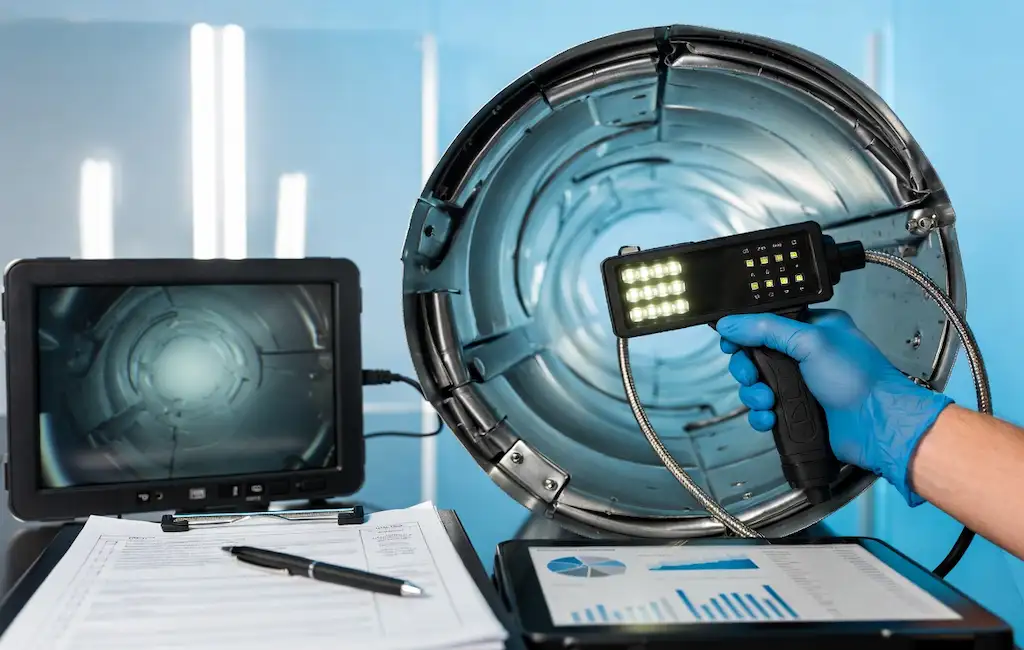
If you have been wondering how much an air duct inspection costs in Dallas, TX, the honest answer is: it depends on what type of inspection you need. A basic visual check runs differently than a full duct leakage test or a whole-system HVAC inspection. And in 2026, with energy costs still climbing across the DFW area, more homeowners are asking these questions before something breaks, not after. At Lara’s Air Duct Cleaning, we work with homeowners across Dallas, Fort Worth, and surrounding neighbourhoods, including North Dallas, Oak Lawn, Highland Park, Lakewood, and Uptown Dallas. This guide breaks down what you can expect to pay and why. Here is what this guide covers: What air duct inspections typically cost in Dallas in 2026 The key factors that affect your final price Differences between inspection types (visual, HVAC, duct leakage) What companies usually include and what they charge extra for How to spot a fair quote versus an inflated one How Much Does an Air Duct Inspection Cost in Dallas in 2026? Most homeowners in Dallas pay between $85 and $250 for a standard air duct inspection. That range reflects the difference between a basic visual assessment and a more detailed diagnostic that includes airflow testing or a duct leakage test. Inspection Type Typical Price Range (Dallas) What It Covers Basic visual inspection $85 – $130 Checks visible supply and return registers for dust, damage, or obvious leaks HVAC inspection (full system) $130 – $200 Includes blower, coil, refrigerant levels, and carbon monoxide detection Duct leakage test $175 – $300 Pressurizes the duct system to measure how much air is escaping Airflow testing $150 – $250 Measures whether conditioned air is reaching each room properly Emergency HVAC inspection $200 – $400+ Same-day or after-hours service at a premium rate These figures reflect what licensed companies are charging in the Dallas-Fort Worth metro in 2026. Prices vary based on home size, access points such as attic or crawl space, and whether you have flexible ducts or metal ducts. What Factors Affect the Cost of a Duct Inspection in Dallas? Several things push your quote higher or lower. Knowing these in advance helps you ask better questions before you book. Home size and duct complexity play the biggest role. A 1,200 sq ft home in Oak Lawn with a single-story layout costs less to inspect than a 3,500 sq ft home in North Dallas with a multi-story layout and a mix of flexible ducts and metal ducts running through both an attic and a crawl space. Access and duct location also matter. When ducts run through tight attic spaces or under the home in a crawl space, technicians spend more time and use specialized equipment. That labor cost gets reflected in your quote. Type of inspection requested is the clearest driver of price. A visual check is fast. A duct leakage test requires pressurization equipment and certified technicians who can read and interpret the results accurately. Add-on services are commonly bundled or offered during inspections. Antimicrobial treatment typically runs $50 to $150. Dryer vent cleaning adds $80 to $130. Coil cleaning runs $100 to $200. UV air purifier installation can add $200 to $500. Mastic sealing or metallic tape repairs for leaks found during testing cost $150 to $400 depending on the extent of the problem. NADCA certification also affects pricing. Certified technicians often charge more than uncertified contractors, but that credential carries real weight. It means the technician has met industry training standards and is held accountable to professional guidelines. What Is Included in an Air Duct Inspection? A proper duct inspection is not just someone shining a flashlight into your vents. A thorough on-site assessment by a qualified technician should cover several areas. The technician starts with a visual inspection of all accessible ducts, examining supply registers and return registers throughout your home for dust accumulation, mold growth, pest damage, disconnected joints, or collapsed sections. Next comes a check of duct material condition. Whether you have flexible ducts or metal ducts, the inspector looks for cracks, tears, crimps, or separations. Flexible duct deteriorates over time, especially in the hot attic spaces common across Dallas and Tarrant County. Airflow testing identifies whether conditioned air is reaching each room at the right volume. Weak airflow in certain rooms often points to leaks, blockages, or duct sizing issues. For a full HVAC inspection, the technician also checks the blower, coil cleaning needs, refrigerant levels, and carbon monoxide detection. A reputable company always finishes with a detailed report and an itemized quote for any recommended repairs or cleaning. Be cautious of any company that cannot provide that in writing. Air Duct Inspection vs. Air Duct Cleaning Cost in Dallas These two services are often confused, and that confusion can lead to unexpected charges. An air duct inspection is a diagnostic service. The goal is to assess the condition of your duct system and identify any problems. Most inspections result in a written report and a set of recommendations. Air duct cleaning is a service that physically removes dust, debris, allergens reaction, and contaminants from inside your ducts using a HEPA-grade vacuum and rotating brush agitation. It is a separate service with different pricing. Service Average Dallas Price Purpose Duct inspection only $100 – $200 Diagnose condition and identify issues Air duct cleaning (standard home) $300 – $600 Remove dust and debris from the full system Inspection and cleaning bundle $350 – $700 Both services completed in one visit Bundling inspection and cleaning in one visit is common and usually saves money compared to scheduling them separately. Ask your provider if they offer a combined rate before booking. What Is a Duct Leakage Test and Does It Cost More? A duct leakage test measures how much air your duct system is losing before it reaches the rooms in your home. It is a specialized diagnostic that costs more than a standard visual inspection, but it gives you precise, actionable data. Leaky ducts are a major
Air Duct Inspection vs Air Duct Cleaning: What’s the Difference?
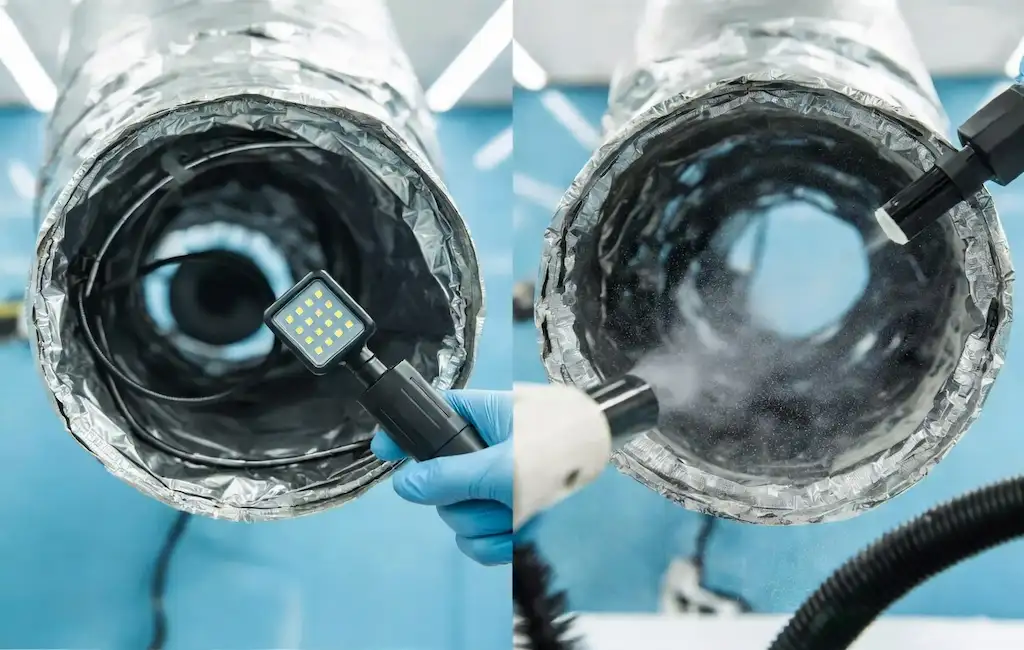
Most homeowners use the terms air duct inspection and air duct cleaning interchangeably. They sound similar, but they serve very different purposes. One tells you what is going on inside your HVAC system. The other actually fixes it. If your home in Dallas, TX has been collecting more dust than usual, or you notice musty odors from your vents, or someone in your household keeps sneezing, your duct system may be the culprit. But before you book a cleaning, you need to understand what each service involves and whether you need one, the other, or both. At Lara’s Air Duct Cleaning, we walk every client through this distinction before any work begins. A proper evaluation always comes before treatment. Here is what this guide will help you understand: The specific purpose and process of an air duct inspection What happens during a professional air duct cleaning Key signs that indicate you need one or both services How air duct sanitizing fits into the picture How often these services should be scheduled What Is an Air Duct Inspection? An air duct inspection is a diagnostic evaluation of your entire duct system. It does not involve any cleaning or treatment. Its sole purpose is to assess the current condition of your air ducts and identify problems that need attention. During an inspection, a trained technician examines your supply ducts, return ducts, registers, vent covers, air plenum, and the components connected to your air handling unit. They look for blockages, leaks, damage, mold growth, pest infiltration, and excessive debris buildup. Think of it like a medical checkup. You go in, the doctor runs tests, and you receive a report on what is happening. The inspection does not treat anything. It gives you the information needed to decide what treatment, if any, is required. What the Air Duct Inspection Process Involves A professional air duct inspection typically includes several steps. The technician will perform a visual assessment of all accessible supply vents, return vents, wall registers, ceiling registers, and baseboards near vents. They will also use a high-resolution inspection camera to look inside the ducts, check the furnace cleaning, blower motor, coils, and drain pan for signs of contamination, and test for inconsistent airflow and uneven temperature distribution between rooms. The result is a written evaluation that tells you whether your system is clean, partially contaminated, or in need of a full cleaning. In some cases, the inspection may reveal structural issues such as disconnected ducts, collapsed sections, or leaks that reduce your system’s energy efficiency. When Should You Schedule an Air Duct Inspection? An air duct inspection is appropriate before buying a new home, after major renovation work that generated construction debris, if you notice signs of mold and mildew growth near vents, or if you have not had your system evaluated in several years. It is also recommended before scheduling a cleaning, as knowing the condition of your system ensures the cleaning team uses the right approach and the right equipment. What Is Air Duct Cleaning? Air duct cleaning is the physical removal of contaminants from inside your duct system. This includes dust, debris, allergens and pollen, pet dander accumulation, smoke residue buildup, construction debris, and mold and mildew growth. A full cleaning service addresses all connected components, not just the visible duct sections. The technician works through your supply ducts, return ducts, air handling unit, coils, drain pan, blower motor, and dryer vent if applicable. The Source Removal Method Explained Professional air duct cleaning follows the source removal method endorsed by NADCA, the National Air Duct Cleaners Association. This approach uses negative air pressure combined with agitation to loosen and extract contaminants at their source rather than pushing them further into the system. The technician connects high-powered vacuuming equipment to your main trunk line to create negative air pressure throughout the system, then uses mechanical brushing and agitation tools to dislodge debris from duct walls. Each register and vent cover is brushed and cleaned individually. All accessible components of the air handling unit, including the blower motor, coils, and drain pan, are cleaned before a final inspection pass confirms the system is clear. This process typically takes three to eight hours depending on the size of your home and the condition of the system. Air Duct Inspection vs Air Duct Cleaning: A Side-by-Side Comparison Feature Air Duct Inspection Air Duct Cleaning Purpose Assess condition of duct system Remove contaminants from ducts When Needed Before buying a home, annually Every 3-5 years or when signs appear Tools Used Camera, pressure gauge, visual check HEPA vacuum, brushes, negative pressure Duration 1-2 hours 3-8 hours depending on system size Outcome Report on duct health and issues Cleaner ducts, improved air quality Cost Range Lower (evaluation only) Higher (full service process) An inspection gives you data. A cleaning gives you results. Ideally, you should have an inspection before any cleaning to make sure the work is done correctly and completely. Signs You Need Air Duct Cleaning Your home will often show clear signals that the duct system needs attention. Visible dust around vents is one of the most obvious. If you see gray residue collecting on ceiling registers, wall registers, or baseboards near vents, the ducts are likely pushing contaminated air through your home. Musty odors from air vents are another strong indicator. A stale smell when the system runs often points to mold and mildew growth inside the duct walls or near the drain pan. If household members experience increased sneezing, coughing, or respiratory irritation indoors, allergens circulating through the HVAC system may be the cause. Other signs you need air duct cleaning include dark filtration lines around vents, rooms with inconsistent airflow, a noticeable rise in energy consumption, and recent renovation work that may have pushed construction debris into the system. Pet owners and households with smokers should schedule inspections more frequently, as pet dander accumulation and smoke residue buildup coat duct walls over time. If you are unsure which service your
How Often Should You Clean Air Ducts in Dallas, TX?
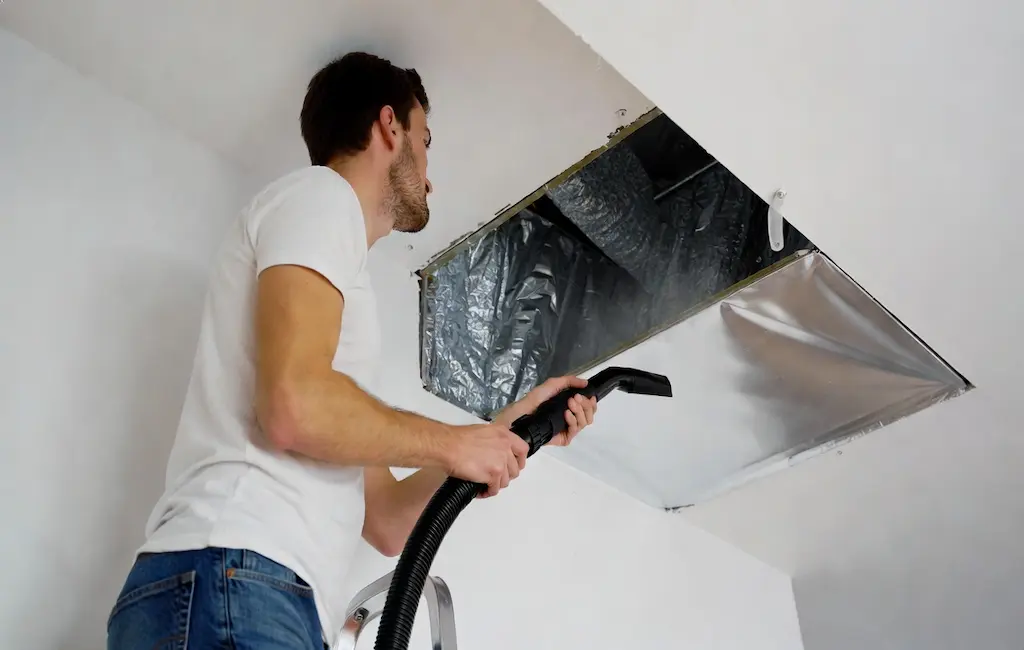
Air duct cleaning is one of those home maintenance tasks that most homeowners in Dallas, TX rarely think about until something goes wrong. A persistent musty smell from the vents, higher energy bills, or a family member’s worsening allergies can all trace back to ductwork that simply hasn’t been cleaned in years. Dallas sits in a high-humidity climate that makes homes in the area more prone to dust accumulation, mold growth, and allergen buildup inside HVAC systems. That combination makes routine duct maintenance not just a comfort issue but a practical health consideration for families across the Dallas metropolitan area. By the end of this article, you will understand: The recommended cleaning frequency based on your household situation The warning signs that tell you it is time to schedule a cleaning before the typical interval How pets, allergies, and home renovations change the timeline Why dryer vent cleaning follows a different schedule and why it matters How clean ductwork connects to HVAC efficiency and lower energy bills The Standard Cleaning Interval Most Homeowners in Dallas Should Follow The National Air Duct Cleaners Association guidelines recommend cleaning residential air ducts every three to five years under normal conditions. This baseline applies to households without pets, without significant allergy concerns, and without recent construction or renovation activity. For a typical Dallas home that uses a central HVAC system and replaces pleated air filters on a regular schedule, staying within that three-to-five year window is a reasonable starting point. The reason this range exists is that no two homes accumulate dust and debris at the same rate. A well-sealed home with newer construction and no indoor pets may comfortably reach the five-year mark. An older home with less insulation, more foot traffic, or a gas fireplace in use through winter may need attention closer to the three-year mark. What this interval does not account for is how Dallas-specific conditions affect buildup speed. Texas humid conditions create an environment where moisture can settle inside ductwork during the summer months. When warm, humid outdoor air interacts with the cooler surfaces of your air ducts, condensation can form. Over time, that moisture, combined with accumulated dust and organic debris, creates conditions where mold growth becomes a real possibility rather than a remote one. A good rule of thumb for homeowners in the Dallas metropolitan area is to schedule a professional inspection at the three-year mark and let that assessment drive the decision. A qualified technician can look inside the system with a camera and tell you whether cleaning is actually needed or whether you have another year or two before it becomes necessary. Households That Need More Frequent Air Duct Cleaning The every three to five years standard works for baseline situations. Certain household conditions accelerate buildup significantly and push that timeline forward. Clean Air Ducts with Pets Inside the Home Pet hair and dander accumulation inside HVAC systems is one of the most common reasons homeowners in Dallas find themselves scheduling cleaning earlier than expected. Dogs and cats shed continuously, and a significant portion of that hair and dander gets pulled into the return air vents and deposited throughout the ductwork. The clean air ducts with pets recommendation from most HVAC professionals is to clean every two to three years rather than waiting for the full five-year cycle. In homes with multiple pets, or with breeds that shed heavily, some professionals suggest moving closer to a two-year interval. Pet dander is also a potent allergen, which means this frequency recommendation overlaps with allergy management concerns. Every Two Years for Allergy Sufferers Households with members who have diagnosed asthma or environmental allergies should consider reduce allergens with professional duct cleaning as a regular part of their management strategy. Allergens including pollen, dust mite debris, and pet dander circulate through the HVAC system and get redistributed throughout the home every time the system runs. For these households, cleaning every two years reduces the allergen load in the air significantly. Pairing that schedule with monthly filter replacement using a high-quality filtration filter makes a meaningful difference in day-to-day respiratory comfort. Many allergy sufferers report noticeable improvement in symptoms after a professional duct cleaning, particularly during Dallas’s spring pollen season when outdoor allergens find their way indoors frequently. Signs Your Air Ducts Need Cleaning Before the Scheduled Date Waiting for a calendar interval is one approach, but your home will often tell you when the ductwork needs attention before the scheduled date arrives. Learning to recognize these signals prevents the buildup from reaching the point where it affects your HVAC system’s performance or your family’s health. Visible dust from vents is one of the clearest indicators. If you can see dust or debris blowing out of the supply registers when the system turns on, the ducts are overdue for cleaning. This is different from the fine layer of dust that settles on a vent cover over time. Actual debris being discharged into the room means the internal surfaces have accumulated more than passive filtration can manage. Musty smell from air vents is another sign that warrants prompt attention. A musty or stale odor coming from the registers when the HVAC system runs often indicates either mold growth in ductwork or a significant accumulation of organic material that has begun to break down. In Dallas’s humid summer climate, this is not an uncommon situation, particularly in older homes or homes where the system has run heavily through a wet season. Black debris around filters after a short filter cycle is worth noting. If you replace your air filter and find it clogged with black, sooty-looking material after just a few weeks, that is a signal that contamination inside the system is high. Filters capture what comes through the return air side, so excessive loading points to a buildup problem upstream. Mold in air ducts symptoms can include more than just visual evidence inside the ductwork itself. Scratchy throat or stuffy nose symptoms that improve when you leave home and
How Air Duct Cleaning Actually Works: A Step-by-Step Breakdown
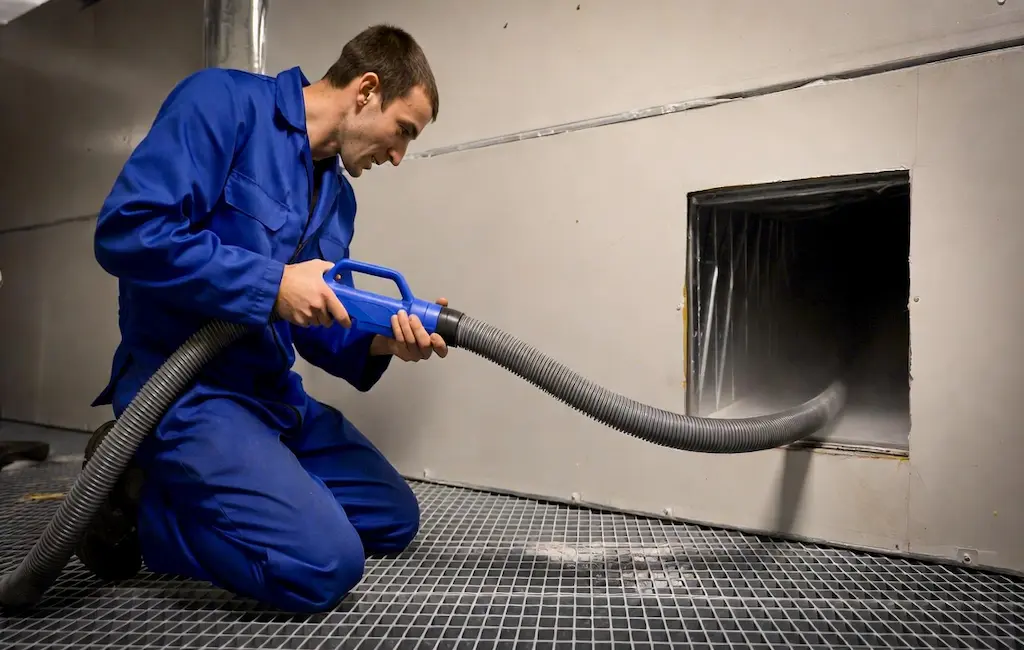
Most homeowners never see the inside of their ductwork. That is exactly the problem. Over months and years, your HVAC system pulls air from every room in the house, passes it through filters, and pushes it back out through supply vents. Along the way, it picks up dust, pet dander and allergens, mold spores, bacteria and viruses, and in some cases rodent droppings and nests or insect infestation debris. Your filter catches a portion of this. The rest coats the interior walls of your ducts, settles in return vents, and accumulates on components like the blower motor and assembly, evaporator coils, and drain pan. Once that layer builds thick enough, it starts recirculating indoor pollutants back into your living space with every cycle. A professional technician does not just vacuum a few vents and leave. The entire process, done correctly, addresses the whole system from the trunk line access point to every supply and return vent in the building. Here is what this guide covers: How professionals inspect and prepare your system before cleaning begins The specific tools and techniques used to dislodge and extract contaminants What source removal method means and why it matters How mold growth and mold spores are handled safely What post-cleaning verification looks like and what questions to ask Pre-Cleaning Inspection: What Technicians Look For First Air duct cleaning begins before any equipment enters your home. A qualified technician performs a pre-cleaning inspection to assess the current condition of your ductwork, identify any structural issues, and decide which cleaning method fits your system. During this stage, the technician checks for visible dust and debris buildup at vent openings, signs of mold growth inside the ducts or near the air plenum, evidence of pest activity, disconnected or damaged flexible ducting, and any blockages in the trunk lines. They may use a camera to view sections of the duct that are not accessible by hand. This step is not optional. NADCA standards, which are the benchmark guidelines set by the National Air Duct Cleaners Association, require that technicians inspect the system before cleaning begins. Skipping it means the crew might miss a mold problem, clean around a disconnected section, or underestimate the level of contamination. You should receive a written service estimate after this inspection. That estimate should clearly describe what will be cleaned, which method will be used, and whether any additional treatments such as antimicrobial fogging are recommended. If a company skips the inspection and goes straight to cleaning, that is a red flag. How the Source Removal Method Works The source removal method is the standard approach recommended by NADCA for thorough ductwork decontamination. It uses continuous negative pressure vacuuming combined with mechanical agitation to physically dislodge and collect contaminants rather than simply moving them around. The process works in two parts working together at the same time. First, the technician connects a truck-mounted vacuum equipment unit or portable vacuum unit with a HEPA-filtered collection system to a trunk line access point. This creates a sustained vacuum inside the entire duct system. The negative air pressure technique pulls loosened debris toward the collection unit rather than letting it escape into the room. Second, while the vacuum runs continuously, the technician uses mechanical agitation tools to knock contaminants off the interior duct walls. These tools include rotary brushing attachments, an air whip method using a flexible hose that whips around the inside of the duct, and compressed air washing delivered through a brush-attached nozzle vacuuming system or a high-pressure air stream. The combination is what makes this method effective. Negative pressure alone will not remove material that is stuck to duct walls. Agitation alone without containment just blows debris into your living space. Together, they physically remove material and capture it before it can spread. According to the EPA, whole-system cleaning that addresses all components performs significantly better than spot cleaning of individual vents. Information Source: EPA Indoor Air Quality Guide on Duct Cleaning. What Gets Cleaned Beyond the Ducts Themselves Duct cleaning done to the ACR cleaning standard covers more than just the sheet metal ductwork. Whole-system cleaning means every component the air touches is addressed. After the main duct runs are cleaned, the technician moves to the air handling unit itself. This includes cleaning the blower motor and assembly, which accumulates heavy dust buildup and can reduce airflow and motor efficiency over time. The evaporator coils are inspected and cleaned because coil fouling is one of the most common causes of reduced HVAC system maintenance performance. The drain pan is checked for standing water and biological growth. The heat exchanger surface may be inspected as well. Vent covers and grills are removed during the process. The technician cleans inside the boot behind each vent before the cover goes back on. This vent cover removal and reinstallation step matters because debris trapped behind covers gets pushed back into the duct the moment the system runs again. Air filter replacement is typically done at the end of the cleaning. There is no point installing a clean filter before the process because the cleaning itself generates dislodged material that will coat a fresh filter immediately. If your system includes an air plenum, that section gets cleaned as well. The plenum is the distribution box that connects the main air handler to the trunk line network, and it often holds a significant concentration of settled debr If you are in the Dallas area and want to know exactly what condition your system is in, Lara’s Air Duct Cleaning offers a thorough pre-cleaning inspection with no pressure and a written estimate before any work begins. How Mold Spores in Air Ducts Are Handled Mold growth inside ductwork requires a different approach than standard dust removal. If a technician finds active mold spores during the inspection, the cleaning process must include containment barriers and plastic covers over adjacent vents to prevent spores from becoming airborne in other areas of the house during agitation. The physical removal process is