5 Critical Signs You Need Air Duct Cleaning in Texas (And What to Do Next)
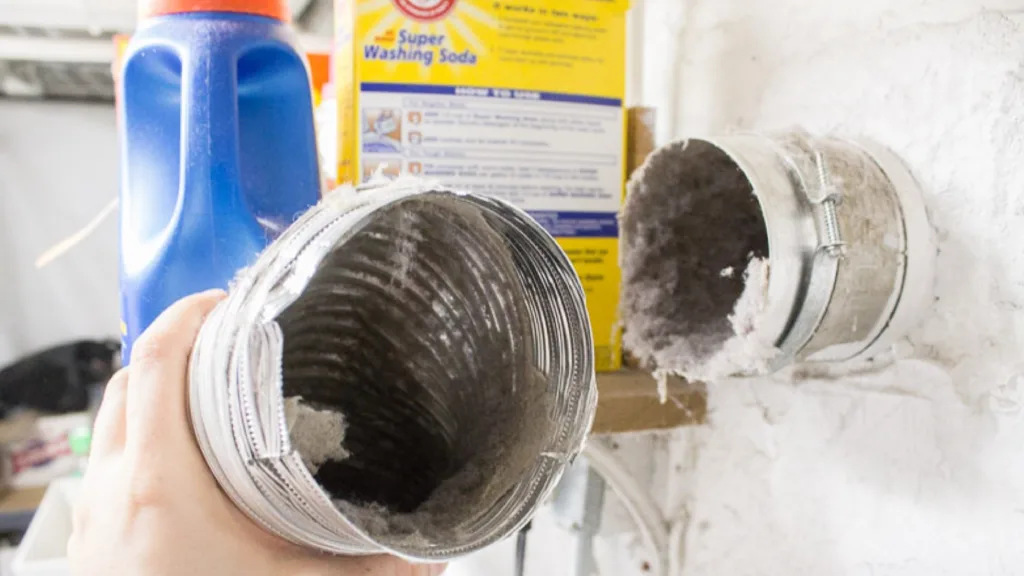
Have you noticed your home getting dusty faster than it used to? Or maybe there’s a musty smell every time your AC kicks on that you just can’t trace to anything obvious? You’re not imagining it, and you’re not alone. Texas homeowners deal with some of the most demanding HVAC conditions in the country. Between the long cooling seasons, heavy humidity, and intense allergy cycles, the signs you need air duct cleaning in Texas can show up faster here than almost anywhere else in the US. Knowing what to look for could protect your family’s health and your energy bill at the same time. At Lara’s Air Duct Cleaning, we’ve inspected duct systems across Texas homes and seen firsthand what builds up inside systems that look perfectly clean from the outside. Here’s what this guide covers: What Do Your Air Ducts Actually Do, and Why Does Dirty Mean Dangerous? Your home’s duct system is the circulatory system of your HVAC unit. Return air intakes pull indoor air back through your filter and into the blower fan. From there, air passes over the evaporator coil, where heat is removed, and then travels through supply ducts to registers and vents in each room. Every cubic foot of conditioned air in your home moves through this pathway multiple times a day. When debris accumulates inside that pathway, it doesn’t just sit there passively. Dust, pollen, pet dander, mold spores, and construction particles can circulate through your living spaces on every cycle. The EPA notes that while duct cleaning has not been proven to prevent health problems in every case, cleaning is appropriate when ducts are visibly contaminated, infested, or clogged with debris. The line between “some dust” and a genuine indoor air quality concern is crossed when buildup restricts airflow, introduces particles into living spaces, or creates conditions for microbial growth. Indoor air pollutants that accumulate in duct systems include biological contaminants like mold and bacteria, particulates like drywall dust and insulation fibers, and allergens like pollen and pet dander. In most cases, what you can’t see is more significant than what you can. Sign 1: You See Dust Blowing From Vents or Dark Streaks Around Registers If you see puffs of dust when your AC or heater first kicks on, or notice dark gray streaks on the wall or ceiling around your supply registers, your ducts are likely overdue for cleaning. This is the most visually obvious sign and the one most homeowners recognize immediately, though many don’t know the name for what they’re seeing. Dust blowing from AC vents on startup typically indicates a significant debris load inside the supply duct. When the system fires up, the initial pressure change dislodges loosened particles and pushes them out through registers before airflow stabilizes. This isn’t a normal behavior in a clean system. Dark streaks near vents, sometimes called ghosting, form when the duct stream carries airborne particles consistently enough that they deposit and stain the surface around the register opening. Their presence signals persistent particle-laden airflow, not a one-time dust event. In Texas homes with attic-mounted units, heat stress on duct seals can pull insulation debris and attic particulates into the supply stream, making registers and vents cleaning more urgent and making ghosting more pronounced than you might expect in a newer home. If your streaks reappear within weeks of wiping them down, the source is inside the system, not just on the surface. Sign 2: There’s a Musty or Stale Smell Every Time Your System Runs A musty, stale, or sour smell that appears when your HVAC system starts up and fades once the system has been running for a few minutes is one of the most common complaints Texas homeowners report before calling a duct cleaning company. The smell itself has a name: Dirty Sock Syndrome. Dirty Sock Syndrome is caused by microbial growth, specifically bacteria and mold, on the evaporator coil. When the system starts up, air passes over this contaminated surface and carries the odor into your living spaces. Texas’s humidity creates near-ideal conditions for this kind of coil contamination, particularly during shoulder seasons when the system cycles on and off more frequently rather than running continuously. The EPA notes that mold in air ducts warrants professional assessment and that visible mold growth in ducts or on system components is a clear indicator that cleaning is appropriate. The table below covers two common HVAC smells and what they likely indicate: If the smell is… Likely cause Suggested action Musty, sour, or locker-room-like Microbial growth on evaporator coil (Dirty Sock Syndrome) or mold in ductwork Professional inspection of coil and ducts; chemical free duct cleaning available for sensitive households Burning or electrical Dust on heating elements (normal on first fall use), electrical fault, or motor issue Turn system off; contact HVAC technician before running system again Sign 3: Your Energy Bills Are Climbing and Your HVAC Is Working Harder Than It Should A system working against restricted ducts has to run longer to reach the same temperature, and that extra runtime shows up directly in your electricity bill. High energy bills HVAC complaints are a common reason Texas homeowners investigate their duct systems, particularly after noticing that their bill has climbed even though their usage habits haven’t changed. Clogged HVAC ducts reduce the volume of conditioned air that reaches each room per cycle, forcing the blower fan to compensate by running longer. Blower fan buildup compounds the problem: dust and debris that accumulate on fan blades reduce their efficiency and create imbalance that increases motor strain over time. A dirty evaporator coil reduces heat transfer, meaning the system has to run longer to achieve the same cooling effect. All three conditions can exist simultaneously in a neglected system. ENERGY STAR notes that duct problems can account for significant heating and cooling losses in a typical home. Sign What It Indicates Suggested Action Rising energy bills with no change in usage Restricted airflow or dirty components reducing system efficiency Professional duct inspection and cleaning Uneven room temperatures Blockage or restriction in one duct branch;
10 Essential Questions to Ask Before Hiring an Air Duct Cleaning Company
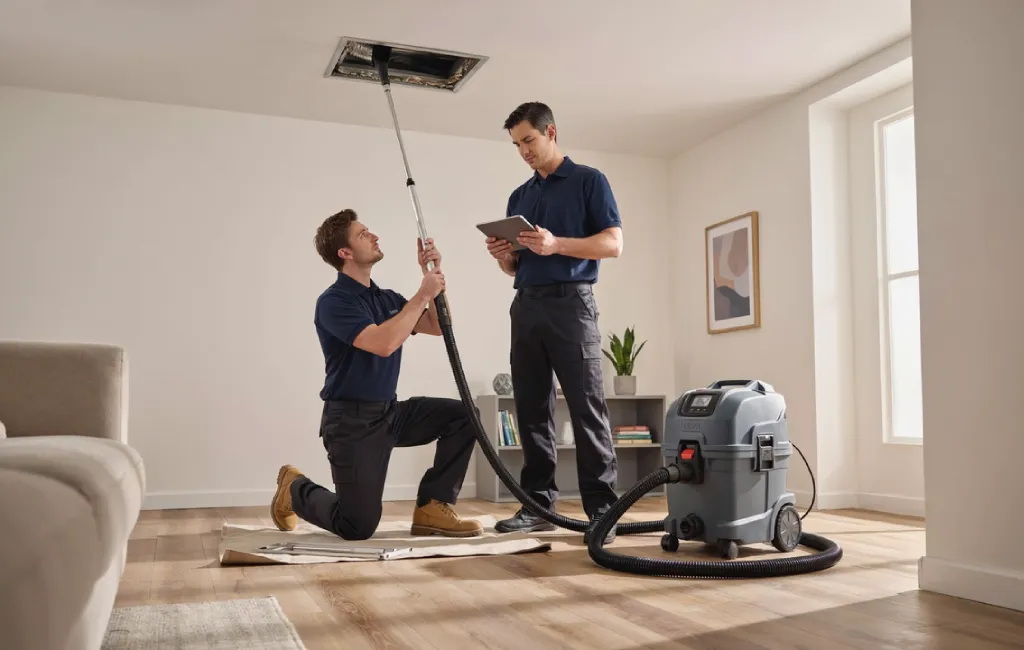
You’ve decided to have your air ducts cleaned. Maybe it’s been years since the last service, someone in your household has allergies, or a technician flagged it during an HVAC tune-up. Whatever brought you here, you’re now looking at a list of local companies and wondering which one you can actually trust inside your home. Before you book anyone, there are ten specific essential questions to ask before hiring an air duct cleaning company. The answers will tell you whether you’re dealing with a qualified professional or a company that will take your money, do incomplete work, and leave before you realize it. At Lara’s Air Duct Cleaning, we’ve answered these questions from thousands of customers, and we believe an informed customer is the best kind. Most homeowners don’t know what separates a legitimate duct cleaning company from a cut-rate operation until after the job is done and something seems off. By the time that happens, the technician is gone, your check has cleared, and your options are limited. Asking the right questions before anyone sets foot in your home takes less than ten minutes and can save you hundreds of dollars, protect your HVAC system, and give you genuine peace of mind about your indoor air quality. Here is what this guide covers so you can hire with confidence: Are You NADCA Certified, and Can I See Proof? NADCA (National Air Duct Cleaners Association) certification is the primary professional credential standard in the duct cleaning industry, and it’s the first thing you should ask about. When a company says they are NADCA certified, ask them for their NADCA member number and look it up yourself at nadca.com. That verification step takes under two minutes and immediately separates companies with active membership from those borrowing the name. The distinction between a company that claims to “follow NADCA standards” and one that actually holds NADCA membership matters more than it might seem. NADCA membership requires companies to employ at least one credentialed technician and carry liability insurance. A company that invokes the name without membership cannot be held to those requirements. Response What It Means “Yes, here is our NADCA member number, you can verify it at nadca.com.” Good answer. Verify it independently. “We follow NADCA standards.” (no member number provided) Red flag. “Following standards” without membership is not the same thing. “We’re certified” with only a logo on a business card or website Red flag. A logo is not a membership certificate. Do You Carry Liability Insurance and Workers’ Compensation, and Will You Send Me the Certificate? Duct cleaning insurance in the form of general liability coverage and workers’ compensation is not optional documentation, it is your protection if something goes wrong. Before any technician enters your home, ask the company to email you a Certificate of Insurance (COI) directly from their insurer. A verbal “yes, we’re insured” is not proof. A logo on a website is not proof. An actual COI is proof. Type of Coverage What It Protects You Against What to Request General Liability Insurance Property damage caused by the technician during cleaning (damaged ductwork, flooring, or HVAC components) COI listing business name, policy number, coverage amounts, and effective dates Workers’ Compensation Injury to a technician that occurs inside your home, without this, an injured worker may have grounds to pursue a claim against your homeowner’s insurance COI showing workers’ comp as a separate line item What Type of Vacuum Equipment Do You Use, and Is It Truck-Mounted? The equipment question is the single fastest way to identify whether a company is equipped to do the job correctly. Ask directly: “Is your primary vacuum unit truck-mounted or portable?” A truck-mounted vacuum generates the level of suction required to create true negative air pressure across a whole-house duct system. A portable vacuum unit does not. Truck-Mounted Vacuum Portable Vacuum Unit Suction Capacity High CFM, sufficient for whole-system negative pressure Low to moderate CFM, insufficient for whole-system cleaning Debris Containment Debris is pulled to a sealed unit outside the home Debris may redistribute inside ducts or living space Negative Pressure Achieved Yes, across the full system Rarely, if ever Typical Use Case Complete whole-house duct cleaning Limited spot cleaning or small systems Red Flag Signal None, this is the professional standard Red flag when presented as adequate for whole-house service What Does Your Cleaning Process Include, and Does It Cover Every Register and Vent? A complete whole house duct cleaning covers every component of your air distribution system, not just the main trunk lines. Before you agree to any service, ask the company to tell you exactly which components are included in the price they quoted. A company doing the job correctly should be able to answer this without hesitation. A complete whole-house duct cleaning process should include all of the following: If a company’s scope of work omits any of these, particularly registers and vents cleaning, you are not receiving a whole-house cleaning regardless of what the invoice says. Will You Do a Visual Inspection Before and After the Cleaning, and Can I See the Documentation? Before and after documentation is the most objective verification available to a homeowner. A visual duct inspection using a camera at the start of the job establishes what condition the system was in before anyone touched it. Photos taken at the end of the job are your proof that the work was completed. Together, they give you a factual record rather than a technician’s verbal assurance. Before after duct photos should be a standard deliverable, not a premium add-on. Before the technician leaves, run through this post-cleaning verification checklist: How Is Your Pricing Structured, and Will I Receive a Written Estimate Before Work Begins? Bait-and-switch pricing is the most documented consumer protection problem in the duct cleaning industry, and it follows a predictable pattern. Understanding the mechanics, not just the name, is what lets you recognize it before you’re already committed. The question to ask is direct: “What is the total price to clean my entire system, including all vents, registers, and the air handler, and will that