
How Much Does It Cost to Get Your Air Ducts Cleaned in Plano, TX?

If you live in Plano, Texas, and you’ve been putting off air duct cleaning because you’re not sure what it costs, or whether it’s worth it, you’re not alone. Most homeowners in the area have the same question before they pick up the phone. Here’s the short answer: air duct cleaning in Plano typically costs between $300 and $700 for a standard residential home, depending on the size of the property, number of vents, and the condition of the ductwork. Some jobs fall below that range; others go higher when contamination is severe or the system is large. Lara’s Air Duct Cleaning serves the Dallas-Fort Worth Metroplex, including Plano and surrounding Collin County communities. We’ve cleaned thousands of residential HVAC systems across North Texas, and we want to give you a clear, honest picture before you commit to any service. Here is what this guide covers: What Is the Average Air Duct Cleaning Cost in Plano, TX? The average air duct cleaning cost in Plano, Texas, falls between $300 and $700 for most single-family homes. Smaller homes with fewer vents often land between $250 and $400. Larger homes those with 2,500 square feet or more typically range from $500 to $900 or higher. These figures reflect what homeowners across the 75025 zip code area and broader Collin County are paying right now. The national average hovers around $350 to $500, but DFW-area pricing runs slightly higher due to the region’s dust levels, allergy seasons, and the density of suburban Texas residences with multi-zone HVAC systems. Pricing tends to stay close to air duct cleaning cost in Dallas and other nearby cities, since most companies serve the whole metro area. It is important to understand that these numbers reflect the whole-house air duct cleaning cost not a per-vent quote for just a few registers. Be cautious of companies offering $49 or $99 specials. Those prices rarely include a thorough cleaning of supply ducts, return ducts, and the air handling unit. More on that in the warning section below. Quick reference: Plano residential duct cleaning price ranges Home Size Estimated Cost Range Under 1,000 sq ft $200 – $350 1,000 – 1,500 sq ft $300 – $450 1,500 – 2,500 sq ft $400 – $600 2,500 – 3,500 sq ft $550 – $750 3,500 sq ft and above $700 – $1,000+ Prices are estimates and may vary based on system condition, accessibility, and add-on services. What Factors Affect Residential Duct Cleaning Prices? Understanding the factors affecting residential duct cleaning prices helps you make sense of any quote you receive and tells you whether you’re being charged fairly. Size of the home and number of vents The most direct driver of cost is how much ductwork needs to be cleaned. Duct cleaning cost per vent in Collin County generally runs between $25 and $50 per vent, including both supply and return registers. Most homes have between 10 and 30 vents total. A home with 20 vents at $35 per vent puts you at $700 before any discount or package pricing, which is why whole-home flat-rate pricing is often a better deal. Comparing cost per vent vs per square foot can help you figure out which pricing model actually works out cheaper for your home size. Condition of the ductwork If your ducts have years of built-up dust accumulation, pet hair and dander, mold growth, or heavy debris, the job takes longer and may require specialized equipment or air duct sanitation treatments. Heavy contamination, including microbial growth or visible mold, can add $100 to $300 to a standard cleaning. Accessibility of the duct system Ducts in older homes, crawl spaces, or custom builds can be harder to access. Technicians may need additional time or equipment. Tight spaces or unusual configurations can add a service call fee or labor premium. Add-on services Common add-ons include: Emergency or same-day service Standard scheduling in the DFW area runs 2 to 5 business days, and pricing stays fairly consistent across nearby markets like air duct cleaning cost in Richardson. Emergency service pricing applies for same-day or next-day appointments and typically adds $75 to $150 to the base cost. Full Whole House Air Duct Cleaning Cost Breakdown Here is a realistic whole house air duct cleaning cost breakdown for a typical 2,000-square-foot Plano home: Service Component Estimated Cost Supply duct cleaning (10–14 vents) $280 – $420 Return duct cleaning (3–6 vents) $90 – $180 Air handling unit cleaning $50 – $100 Basic inspection Included Total (standard job) $420 – $700 Add-on estimates: Add-On Estimated Cost Dryer vent cleaning $80 – $150 Air duct sanitation $100 – $200 Antimicrobial treatment $75 – $150 Filter replacement (standard) $20 – $50 Most professional duct cleaning service cost estimates in Texas will include a before and after inspection as part of a NADCA-certified approach. If a company does not offer one, that is worth asking about. How Does Duct Cleaning Affect Energy Efficiency and Monthly Bills? One of the questions we hear most often is whether the cost is justified by the savings. The answer depends on how restricted your ductwork is. When supply ducts and return ducts are clogged with dust and debris, your HVAC system works harder to push air through. That airflow restriction raises energy consumption and shortens the life of your heating, ventilation, and air conditioning system. Studies cited by the EPA guidelines for indoor air quality note that while duct cleaning alone is not a guaranteed energy-saver, it contributes to HVAC system efficiency when the system is genuinely contaminated. For Plano homes, where central air conditioning systems run heavily from April through October, a clean duct system means your AC does not have to compensate for reduced airflow. This pattern holds true whether you’re weighing Frisco vs McKinney air duct cost or pricing anywhere else in the DFW area, since the energy savings come down to system size and contamination level rather than zip code. Many homeowners in the DFW area report modest but real reductions in monthly
How to Spot an Air Duct Cleaning Scam in Dallas: Red Flags and Expert Tips

Have you ever seen an ad offering a $99 “whole house” air duct cleaning in Dallas and thought, “That sounds too good to be true”? Or perhaps you’ve received a call warning about “toxic mold” in your air ducts, pushing you to act fast? If so, you might have encountered a scam. Air duct cleaning is an essential service for improving indoor air quality and HVAC efficiency, but unfortunately, not all companies have good intentions. In this guide, you’ll learn how to spot scams, what to look for in a legitimate service, and how to avoid common red flags. By the end of this article, you’ll understand how to: Let’s dive in and ensure you don’t fall victim to scams in Dallas. What Are the Most Common Air Duct Cleaning Scams in Dallas? In Dallas, there are a few scams that homeowners should watch out for. These include low-price offers, fake mold claims, and poor-quality services. Some companies use bait-and-switch tactics, where they offer a low price, like $99 for the whole house, then add on extra costs once the technician arrives. Another scam involves fake mold scare tactics, where companies claim there’s toxic black mold in your ducts, even when that’s not the case. These scams prey on your fear, and unfortunately, many people fall for them. So, is air duct cleaning worth it when pricing tricks like these are so common? A common complaint we’ve seen in Dallas is companies that advertise an unbelievably low price, only to add unexpected charges for “extra contamination.” These companies often don’t give you a proper estimate before starting the work. When you see prices like these, always ask for a written estimate first and be cautious of upselling tactics. How Do Bait-and-Switch Tactics Work? Let’s break down how bait-and-switch scams work. You may see an ad offering a “$99 whole house cleaning.” But when the technician shows up, they suddenly say the price will be much higher due to “extra contamination” in your ducts. This scam relies on misleading pricing. It starts with an attractive offer to get you to commit, and then the technician claims more work is needed, which increases the price significantly. The goal is to trick you into paying much more than you expected. Example: You schedule the $99 cleaning, but when the technician arrives, they might say: Here’s how to protect yourself: When Is Air Duct Cleaning Actually Necessary in Dallas Homes? Air duct cleaning can be helpful, but it’s not always necessary. The EPA guidelines state that air duct cleaning should only be performed when there is visible mold, vermin, or significant dust buildup that is impacting air quality. Knowing when air duct cleaning’s necessary can save you from unnecessary expenses. When is it really necessary? Dallas residents often experience dust accumulation from nearby construction projects. For example, in neighborhoods like Uptown Dallas and Lakewood, homes are being renovated frequently, leading to higher dust levels in air ducts. If you’ve recently had renovations done, air duct cleaning is highly recommended. For post-renovation duct cleaning, visit our Residential Duct Cleaning service to learn more. What Red Flags Should You Watch For in Air Duct Cleaning Offers? There are several red flags to look out for when considering air duct cleaning companies in Dallas. Here’s what you should watch for: Red Flags to Avoid: Here’s a comparison table of what you should expect from a legitimate company vs. a scam: Feature Legitimate Company Scam Company Pricing Transparent, with no hidden fees Low upfront price, high final cost Written Estimates Always provided Often avoid or delay providing one Technicians NADCA certified Uncertified, untrained Equipment Truck-mounted HEPA vacuums Shop Vac or minimal equipment Before/After Photos Real, video-proof inspections Staged, fake photos How Can You Identify a Legitimate Air Duct Cleaning Company? Finding a trustworthy air duct cleaning service requires looking for a few key things. This rundown on how to choose a trustworthy air duct cleaning company covers what matters most. NADCA Certification: The National Air Duct Cleaners Association (NADCA) sets the standard for air duct cleaning. Certified companies follow the industry’s best practices and provide quality service. Written Estimates: A professional company will give you a clear written estimate, which includes the total cost and what services are being provided. Reviews: Always check Google reviews to see what other customers say about the service. Look for companies with lots of positive reviews and a high rating. Licensed and Insured: The company should be licensed and insured, which protects you as a customer in case of damage or injury during the service. For example, Lara’s Air Duct Cleaning has over 10 years of experience in the Dallas area, and we have a 5-star Google rating. We are licensed, insured, and NADCA certified, which gives you peace of mind knowing the job is done right. Visit our Air Duct Inspection page for more details. What Is a Fair Price for Air Duct Cleaning in Dallas? Pricing for air duct cleaning in Dallas typically ranges from $450 to $1,000, depending on the size of your home and whether additional services are needed. Before hiring, tenants should confirm if they need landlord cleaning approval for their specific unit. For example, cleaning a standard 2,000 sq. ft. home may cost around $500, while a larger home may cost closer to $800 or more. What affects pricing? It’s always important to get an estimate before agreeing to any work. Visit our Furnace Cleaning page for more information on prices. Why Choose Lara’s Air Duct Cleaning for Your Dallas Home? At Lara’s Air Duct Cleaning, we’ve been serving the Dallas area for over 10 years, helping homeowners improve their indoor air quality with transparent, high-quality services. We stand out because of our: You can trust Lara’s Air Duct Cleaning to provide honest, professional service without the pressure or upsells common in the industry. FAQs What are the most common air duct cleaning scams, and how can homeowners avoid them? Scams include bait-and-switch pricing,
Air Duct Cleaning Cost Per Square Foot vs Per Vent: Which Pricing Model Is Fairer?

When you call an air duct cleaning company and ask for a price, you will likely hear one of two answers: a rate based on your home’s square footage or a flat charge per vent. Both are common. Both can be reasonable. But they can also produce very different final bills for the same home, which is why so many homeowners feel confused or unsure about what they are actually paying for. Air duct cleaning cost in the Dallas area typically falls between $300 and $700 for a standard residential home, but the pricing structure your contractor uses changes how that number is calculated and whether it truly reflects the work involved. This guide breaks down both pricing models honestly so you can walk into your next service call informed. At Lara’s Air Duct Cleaning in Dallas, TX, we believe a fair price starts with a fair explanation. Here is what this guide will help you understand: How Does Per Square Foot Pricing Work for Air Duct Cleaning? Per square foot pricing ties your cleaning cost directly to your home’s total area. Most companies using this model charge between $0.15 and $0.35 per square foot. For a 2,000-square-foot home in Dallas, that means a rough estimate of $300 to $700 before any add-ons. The logic behind this model is straightforward. Larger homes generally have more ductwork, more registers, and more surface area inside the system that needs to be cleaned. A price tied to square footage is meant to reflect that scale automatically. The problem is that square footage alone does not tell the whole story. A 2,500-square-foot single-story home with a simple, open floor plan will have far less complex ductwork than a 2,500-square-foot two-story home with multiple air handling units, attic duct runs, and crawl space access points. The work involved is not the same, but a per square foot quote would price them identically. Duct system size, layout, and home construction type all affect actual labor time. Per square foot pricing works well as a starting estimate but often needs to be adjusted once a technician sees the system in person. How Does Per Vent Pricing Work? Per vent pricing charges a flat fee for each supply vent, return vent, and register that gets cleaned. Rates typically range from $25 to $50 per vent. Some companies set a base service fee, usually between $75 and $150, and then add the per vent charge on top of that. This model is more transparent in one important way. You can count your vents before the technician arrives and estimate your bill with reasonable accuracy. A home with 20 vents at $35 per vent, plus a $100 base fee, comes to $800. The math is visible. However, per vent pricing has its own flaw. Vents vary enormously in size and difficulty. A standard ceiling supply vent is very different from a large floor return or a vent located in a tight attic space. Charging the same flat rate for both does not reflect actual effort, and some companies use low per vent rates to win the job and then add fees for returns, registers, and the air handler unit separately. Air duct cleaning price per vent quotes should always specify whether the rate covers both supply and return ducts, the air handler, and any mechanical agitation required. Which Pricing Model Is Actually Fairer? Neither model is inherently unfair. Both can produce honest, reasonable quotes in the hands of a reputable contractor. The problem is how each model can be misused. Per square foot pricing can undercharge for complex systems and overcharge for simple ones. Per vent pricing can hide extra costs behind line items the customer did not expect. The fairest approach most experienced contractors use is a hybrid model: a base service fee that covers equipment, travel, and setup, combined with a per vent or per system component charge that reflects actual scope. This is increasingly common for residential duct cleaning cost estimates in Dallas. Here is a basic breakdown of what a fair, itemized quote might look like for a mid-size Dallas home: Service Component Typical Cost Range Base service/equipment fee $75 – $150 Supply vents (per vent) $15 – $25 each Return vents (per vent) $20 – $35 each Air handler unit cleaning $50 – $100 Dryer vent cleaning $80 – $175 Mold remediation (if needed) $500 – $1,500+ A quote that separates these components gives you far more information than a single number tied to square footage or vent count. What Factors Actually Drive Your Air Duct Cleaning Cost Up or Down? Understanding what affects price helps you evaluate quotes accurately. Several variables have a direct impact on what a technician will charge. Number of vents and registers is the most obvious factor. More vents mean more time, more equipment repositioning, and more total surface area cleaned. Home square footage and layout affect duct run length and system complexity. A two-story home or a home with a finished basement adds routing complexity that a single-story slab home does not have. Duct material type matters more than most homeowners realize. Sheet metal ductwork is durable and straightforward to clean. Flexible ductwork requires more careful handling to avoid tearing. Fiberboard ductwork is porous and harder to fully decontaminate, which increases labor time and sometimes requires replacement rather than cleaning. Accessibility is a significant cost driver in Dallas homes specifically. Attic duct runs in summer are a hot, tight working environment. Crawl space access adds time and difficulty. Homes where sections of duct are buried in walls or require access hole cutting will see access hole cutting fees added to the base quote. Contamination level is the other major variable. A home with pets, recent renovation work, pest activity, or visible mold growth inside the ducts requires a more intensive cleaning process. Mold remediation cost and pest infestation removal cost are separate line items that reflect the actual scope of the problem, not arbitrary add-ons. Urban area labor rates
How to Choose an Air Duct Cleaning Company in Texas (Without Getting Scammed)

You found a flyer on your door last week: “Whole-house air duct cleaning, $49, one day only.” Now you’re wondering whether that was a deal you missed or a scam you dodged. It was almost certainly a scam you dodged. And the fact that you’re not sure is exactly what a small number of dishonest operators count on. How to choose an air duct cleaning company in Texas comes down to five things you can verify before anyone sets foot in your home: proper certification, the right equipment, Texas licensing, liability insurance, and a written estimate with no hidden fees. Every one of those standards is checkable in advance, and a legitimate company will welcome the questions. At Lara’s Air Duct Cleaning, we’ve built our entire business around being the kind of company we’d want to hire ourselves, and that starts with being completely transparent about what good service actually looks like. Here is what this guide will walk you through: How to Choose an Air Duct Cleaning Company in Texas? Short Answer Know if you actually need cleaning first Check for NADCA certification and ASCS credentials Verify TDLR licensing Confirm liability insurance Ask about equipment (truck-mounted vs. portable) Read reviews for specifics, not star counts Watch for bait-and-switch pricing Get a written estimate before the appointment Ask the right questions before booking What Are the Signs You Actually Need Air Duct Cleaning? Before you evaluate a single company, it helps to know whether your system actually needs attention. The most defensible triggers are things you can observe yourself: visible dust or debris blowing from registers when the system kicks on, musty or stale odors that return shortly after the house is cleaned, or a noticeable increase in dust settling on furniture and surfaces. If anyone in your household has unexplained allergy-like symptoms that ease up when you leave the house, your duct system is worth a professional evaluation. The same applies if you’ve recently completed a renovation, moved into a home with an unknown maintenance history, or discovered evidence of pests or moisture inside the system. It’s worth knowing that the EPA does not recommend air duct cleaning on a fixed schedule for every home. Their guidance states that cleaning is appropriate when there is substantial visible mold growth, infestation by vermin, or ducts that are clogged with debris. Outside of those documented conditions, the decision should be based on your system’s actual state, not a company’s sales calendar. An honest company will assess your system before recommending cleaning and will tell you clearly if it doesn’t need it yet. You can review the EPA’s current guidance on duct cleaning directly to understand the full context. Signs you need air duct cleaning service worth watching for include: What Certifications Should a Legitimate Air Duct Cleaning Company Hold? The air duct cleaning certification that NADCA issues at the technician level is called the ASCS, or Air Systems Cleaning Specialist credential. An ASCS has passed a written examination covering HVAC system components, proper cleaning methods, and industry standards. That credential is meaningful because it confirms the person cleaning your system has been tested on the knowledge required to do the job correctly, not just handed a vacuum and pointed at a vent. When you ask a company whether they hold NADCA membership, follow up by asking whether their technicians are ASCS-certified, those are two separate questions with two separate answers. Here is how certified and uncertified companies typically compare across the criteria that matter most: Evaluation Criteria NADCA-Certified Company Uncertified Company Technician training Required; ASCS exam completed No verified standard; varies by operator Equipment standards Must follow ACR standard scope No required scope; company defines its own Code of ethics Bound by NADCA member code No external accountability Dispute resolution access NADCA complaint process available No third-party recourse BBB Ratings and What They Actually Tell You The Better Business Bureau is a trust signal many Texas homeowners check first, and it is worth understanding what the rating actually measures. BBB accreditation means a company has agreed to participate in good-faith dispute resolution, it does not mean the company has never received a complaint. That distinction matters when you are interpreting letter grades. A company with an A rating and three resolved complaints may actually demonstrate more trustworthiness than one with an A+ and zero reviews, because the resolution record shows how the company behaves when something goes wrong. Is the Air Duct Cleaning Company Licensed and Insured in Texas? Texas regulates HVAC contractors through the Texas Department of Licensing and Regulation, known as TDLR. Companies performing air conditioning and refrigeration work are required to hold an appropriate TDLR license, and you can verify a company’s license status in under two minutes using the TDLR online lookup tool. Note that the specific license category applicable to duct-cleaning-only operations versus full HVAC contracting may differ, and if a company’s scope of work is limited to cleaning rather than repair or installation, you should ask them directly which TDLR license they hold and verify that category applies. When in doubt, TDLR’s customer service line can confirm which license type covers a specific service. Here are the steps to verify a licensed HVAC duct cleaning company using the TDLR website: Beyond licensing, the Texas Deceptive Trade Practices Act (DTPA) gives Texas consumers a specific legal tool when a service company uses false or misleading representations, including inflated “before” photos, fabricated urgency claims, or bait-and-switch pricing. The Texas Attorney General’s Office handles consumer complaints under the DTPA, so homeowners who believe they have been defrauded have a documented path for recourse. You can file a complaint directly through the Texas Attorney General’s consumer protection portal. This protection exists specifically for this kind of transaction and applies to every licensed and unlicensed operator doing business in Texas. What Equipment Should a Professional Air Duct Cleaning Company Use? The single clearest dividing line between a professional whole house duct cleaning and a cut-rate operation is the equipment used to create suction. A truck-mounted vacuum cleaning system is the industry
5 Critical Signs You Need Air Duct Cleaning in Texas (And What to Do Next)
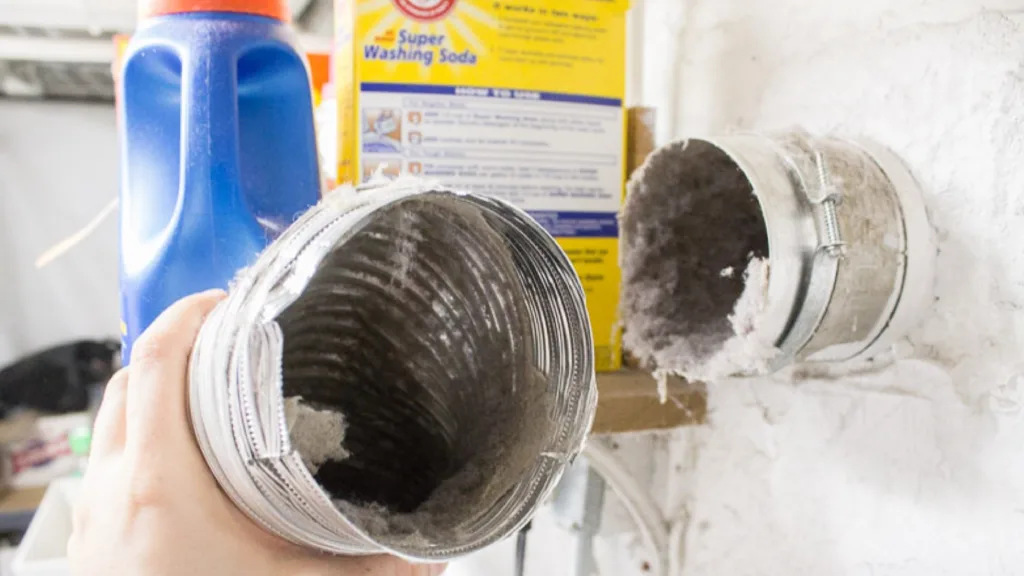
Have you noticed your home getting dusty faster than it used to? Or maybe there’s a musty smell every time your AC kicks on that you just can’t trace to anything obvious? You’re not imagining it, and you’re not alone. Texas homeowners deal with some of the most demanding HVAC conditions in the country. Between the long cooling seasons, heavy humidity, and intense allergy cycles, the signs you need air duct cleaning in Texas can show up faster here than almost anywhere else in the US. Knowing what to look for could protect your family’s health and your energy bill at the same time. At Lara’s Air Duct Cleaning, we’ve inspected duct systems across Texas homes and seen firsthand what builds up inside systems that look perfectly clean from the outside. Here’s what this guide covers: What Do Your Air Ducts Actually Do, and Why Does Dirty Mean Dangerous? Your home’s duct system is the circulatory system of your HVAC unit. Return air intakes pull indoor air back through your filter and into the blower fan. From there, air passes over the evaporator coil, where heat is removed, and then travels through supply ducts to registers and vents in each room. Every cubic foot of conditioned air in your home moves through this pathway multiple times a day. When debris accumulates inside that pathway, it doesn’t just sit there passively. Dust, pollen, pet dander, mold spores, and construction particles can circulate through your living spaces on every cycle. The EPA notes that while duct cleaning has not been proven to prevent health problems in every case, cleaning is appropriate when ducts are visibly contaminated, infested, or clogged with debris. The line between “some dust” and a genuine indoor air quality concern is crossed when buildup restricts airflow, introduces particles into living spaces, or creates conditions for microbial growth. Indoor air pollutants that accumulate in duct systems include biological contaminants like mold and bacteria, particulates like drywall dust and insulation fibers, and allergens like pollen and pet dander. In most cases, what you can’t see is more significant than what you can. Sign 1: You See Dust Blowing From Vents or Dark Streaks Around Registers If you see puffs of dust when your AC or heater first kicks on, or notice dark gray streaks on the wall or ceiling around your supply registers, your ducts are likely overdue for cleaning. This is the most visually obvious sign and the one most homeowners recognize immediately, though many don’t know the name for what they’re seeing. Dust blowing from AC vents on startup typically indicates a significant debris load inside the supply duct. When the system fires up, the initial pressure change dislodges loosened particles and pushes them out through registers before airflow stabilizes. This isn’t a normal behavior in a clean system. Dark streaks near vents, sometimes called ghosting, form when the duct stream carries airborne particles consistently enough that they deposit and stain the surface around the register opening. Their presence signals persistent particle-laden airflow, not a one-time dust event. In Texas homes with attic-mounted units, heat stress on duct seals can pull insulation debris and attic particulates into the supply stream, making registers and vents cleaning more urgent and making ghosting more pronounced than you might expect in a newer home. If your streaks reappear within weeks of wiping them down, the source is inside the system, not just on the surface. Sign 2: There’s a Musty or Stale Smell Every Time Your System Runs A musty, stale, or sour smell that appears when your HVAC cleaning system starts up and fades once the system has been running for a few minutes is one of the most common complaints Texas homeowners report before calling a duct cleaning company. The smell itself has a name: Dirty Sock Syndrome. Dirty Sock Syndrome is caused by microbial growth, specifically bacteria and mold, on the evaporator coil. When the system starts up, air passes over this contaminated surface and carries the odor into your living spaces. Texas’s humidity creates near-ideal conditions for this kind of coil contamination, particularly during shoulder seasons when the system cycles on and off more frequently rather than running continuously. The EPA notes that mold in air ducts warrants professional assessment and that visible mold growth in ducts or on system components is a clear indicator that cleaning is appropriate. The table below covers two common HVAC smells and what they likely indicate: If the smell is… Likely cause Suggested action Musty, sour, or locker-room-like Microbial growth on evaporator coil (Dirty Sock Syndrome) or mold in ductwork Professional cleaning inspection of coil and ducts; chemical free duct cleaning available for sensitive households Burning or electrical Dust on heating elements (normal on first fall use), electrical fault, or motor issue Turn system off; contact HVAC technician before running system again Sign 3: Your Energy Bills Are Climbing and Your HVAC Is Working Harder Than It Should A system working against restricted ducts has to run longer to reach the same temperature, and that extra runtime shows up directly in your electricity bill. High energy bills HVAC complaints are a common reason Texas homeowners investigate their duct systems, particularly after noticing that their bill has climbed even though their usage habits haven’t changed. Clogged HVAC ducts reduce the volume of conditioned air that reaches each room per cycle, forcing the blower fan to compensate by running longer. Blower fan buildup compounds the problem: dust and debris that accumulate on fan blades reduce their efficiency and create imbalance that increases motor strain over time. A dirty evaporator coil reduces heat transfer, meaning the system has to run longer to achieve the same cooling effect. All three conditions can exist simultaneously in a neglected system. ENERGY STAR notes that duct problems can account for significant heating and cooling losses in a typical home. Sign What It Indicates Suggested Action Rising energy bills with no change in usage Restricted airflow or dirty components reducing system efficiency Professional duct inspection and cleaning Uneven room temperatures Blockage or restriction in one
10 Essential Questions to Ask Before Hiring an Air Duct Cleaning Company

You’ve decided to have your air ducts cleaned. Maybe it’s been years since the last service, someone in your household has allergies, or a technician flagged it during an HVAC tune-up. Whatever brought you here, you’re now looking at a list of local companies and wondering which one you can actually trust inside your home. Before you book anyone, there are ten specific essential questions to ask before hiring an air duct cleaning company. The answers will tell you whether you’re dealing with a qualified professional or a company that will take your money, do incomplete work, and leave before you realize it. At Lara’s Air Duct Cleaning, we’ve answered these questions from thousands of customers, and we believe an informed customer is the best kind. Most homeowners don’t know what separates a legitimate duct cleaning company from a cut-rate operation until after the job is done and something seems off. By the time that happens, the technician is gone, your check has cleared, and your options are limited. Asking the right questions before anyone sets foot in your home takes less than ten minutes and can save you hundreds of dollars, protect your HVAC system, and give you genuine peace of mind about your indoor air quality. Here is what this guide covers so you can hire with confidence: Are You NADCA Certified, and Can I See Proof? NADCA (National Air Duct Cleaners Association) certification is the primary professional credential standard in the duct cleaning industry, and it’s the first thing you should ask about. When a company says they are NADCA certified, ask them for their NADCA member number and look it up yourself at nadca.com. That verification step takes under two minutes and immediately separates companies with active membership from those borrowing the name. The distinction between a company that claims to “follow NADCA standards” and one that actually holds NADCA membership matters more than it might seem. NADCA membership requires companies to employ at least one credentialed technician and carry liability insurance. A company that invokes the name without membership cannot be held to those requirements. Response What It Means “Yes, here is our NADCA member number, you can verify it at nadca.com.” Good answer. Verify it independently. “We follow NADCA standards.” (no member number provided) Red flag. “Following standards” without membership is not the same thing. “We’re certified” with only a logo on a business card or website Red flag. A logo is not a membership certificate. Do You Carry Liability Insurance and Workers’ Compensation, and Will You Send Me the Certificate? Duct cleaning insurance in the form of general liability coverage and workers’ compensation is not optional documentation, it is your protection if something goes wrong. Before any technician enters your home, ask the company to email you a Certificate of Insurance (COI) directly from their insurer. A verbal “yes, we’re insured” is not proof. A logo on a website is not proof. An actual COI is proof. Type of Coverage What It Protects You Against What to Request General Liability Insurance Property damage caused by the technician during cleaning (damaged ductwork, flooring, or HVAC components) COI listing business name, policy number, coverage amounts, and effective dates Workers’ Compensation Injury to a technician that occurs inside your home; without this, an injured worker may have grounds to pursue a claim against your homeowner’s insurance COI showing workers’ comp as a separate line item What Type of Vacuum Equipment Do You Use, and Is It Truck-Mounted? The equipment question is the single fastest way to identify whether a company is equipped to do the job correctly. Ask directly: “Is your primary vacuum unit truck-mounted or portable?” A truck-mounted vacuum generates the level of suction required to create true negative air pressure across a whole-house duct system. A portable vacuum unit does not. Truck-Mounted Vacuum Portable Vacuum Unit Suction Capacity High CFM, sufficient for whole-system negative pressure Low to moderate CFM, insufficient for whole-system cleaning Debris Containment Debris is pulled to a sealed unit outside the home Debris may redistribute inside ducts or living space Negative Pressure Achieved Yes, across the full system Rarely, if ever Typical Use Case Complete whole-house duct cleaning Limited spot cleaning or small systems Red Flag Signal None, this is the professional standard Red flag when presented as adequate for whole-house service What Does Your Cleaning Process Include, and Does It Cover Every Register and Vent? A complete whole house duct cleaning covers every component of your air distribution system, not just the main trunk lines. Before you agree to any service, ask the company to tell you exactly which components are included in the price they quoted. A company doing the job correctly should be able to answer this without hesitation. A complete whole-house duct cleaning process should include all of the following: If a company’s scope of work omits any of these, particularly registers and vents cleaning, you are not receiving a whole-house cleaning regardless of what the invoice says. Will You Do a Visual Inspection Before and After the Cleaning, and Can I See the Documentation? Before and after documentation gives homeowners the most objective proof available. A camera inspection at the start of the job shows the real condition of the system before anyone touches it. Photos at the end prove the work actually got done. Together, these give you a factual record instead of just a technician’s word. Before and after photos should be a standard part of the service, not a premium add-on. Skipping this step is one of the most common air duct cleaning scams in Dallas homeowners run into. Before the technician leaves, run through this post-cleaning verification checklist: How Is Your Pricing Structured, and Will I Receive a Written Estimate Before Work Begins? Bait-and-switch pricing is the most documented consumer protection problem in the duct cleaning industry, and it follows a predictable pattern. Understanding the mechanics, not just the name, is what lets you recognize it before you’re already committed. The question to ask is direct: “What is the total price to clean my
Air Duct Inspection vs Air Duct Cleaning: What’s the Difference?

Most homeowners use the terms air duct inspection and air duct cleaning interchangeably. They sound similar, but they serve very different purposes. One tells you what is going on inside your HVAC system. The other actually fixes it. If your home in Dallas, TX has been collecting more dust than usual, or you notice musty odors from your vents, or someone in your household keeps sneezing, your duct system may be the culprit. But before you book a cleaning, you need to understand what each service involves and whether you need one, the other, or both. At Lara’s Air Duct Cleaning, we walk every client through this distinction before any work begins. A proper evaluation always comes before treatment. Here is what this guide will help you understand: What Is an Air Duct Inspection? An air duct inspection is a diagnostic evaluation of your entire duct system. It does not involve any cleaning or treatment. Its sole purpose is to assess the current condition of your air ducts and identify problems that need attention. During an inspection, a trained technician examines your supply ducts, return ducts, registers, vent covers, air plenum, and the components connected to your air handling unit. They look for blockages, leaks, damage, mold growth, pest infiltration, and excessive debris buildup. Think of it like a medical checkup. You go in, the doctor runs tests, and you receive a report on what is happening. The inspection does not treat anything. It gives you the information needed to decide what treatment, if any, is required. What the Air Duct Inspection Process Involves A professional air duct inspection typically includes several steps. The technician will perform a visual assessment of all accessible supply vents, return vents, wall registers, ceiling registers, and baseboards near vents. They will also use a high-resolution inspection camera to look inside the ducts, check the furnace cleaning, blower motor, coils, and drain pan for signs of contamination, and test for inconsistent airflow and uneven temperature distribution between rooms. The result is a written evaluation that tells you whether your system is clean, partially contaminated, or in need of a full cleaning. In some cases, the inspection may reveal structural issues such as disconnected ducts, collapsed sections, or leaks that reduce your system’s energy efficiency. When Should You Schedule an Air Duct Inspection? An air duct inspection is appropriate before buying a new home, after major renovation work that generated construction debris, if you notice signs of mold and mildew growth near vents, or if you have not had your system evaluated in several years. It is also recommended before scheduling a cleaning, as knowing the condition of your system ensures the cleaning team uses the right approach and the right equipment. What Is Air Duct Cleaning? Air duct cleaning is the physical removal of contaminants from inside your duct system. This includes dust, debris, allergens and pollen, pet dander accumulation, smoke residue buildup, construction debris, and mold and mildew growth. So does air duct cleaning really work in Dallas homes, where dust and humidity build up quickly? A full cleaning service addresses all connected components, not just the visible duct sections. The technician works through your supply ducts, return ducts, air handling unit, coils, drain pan, blower motor, and dryer vent if applicable. The Source Removal Method Explained Professional air duct cleaning follows the source removal method endorsed by NADCA, the National Air Duct Cleaners Association. This approach uses negative air pressure combined with agitation to loosen and extract contaminants at their source rather than pushing them further into the system. The technician connects high-powered vacuuming equipment to your main trunk line to create negative air pressure throughout the system, then uses mechanical brushing and agitation tools to dislodge debris from duct walls. Each register and vent cover is brushed and cleaned individually. All accessible components of the air handling unit, including the blower motor, coils, and drain pan, are cleaned before a final inspection pass confirms the system is clear. This process typically takes three to eight hours depending on the size of your home and the condition of the system. Air Duct Inspection vs Air Duct Cleaning: A Side-by-Side Comparison Feature Air Duct Inspection Air Duct Cleaning Purpose Assess condition of duct system Remove contaminants from ducts When Needed Before buying a home, annually Every 3-5 years or when signs appear Tools Used Camera, pressure gauge, visual check HEPA vacuum, brushes, negative pressure Duration 1-2 hours 3-8 hours depending on system size Outcome Report on duct health and issues Cleaner ducts, improved air quality Cost Range Lower (evaluation only) Higher (full service process) An inspection gives you data. A cleaning gives you results. Ideally, you should have an inspection before any cleaning to make sure the work is done correctly and completely. Signs You Need Air Duct Cleaning Your home will often show clear signals that the duct system needs attention. Visible dust around vents is one of the most obvious. If you see gray residue collecting on ceiling registers, wall registers, or baseboards near vents, the ducts are likely pushing contaminated air through your home. Musty odors from air vents are another strong indicator. A stale smell when the system runs often points to mold and mildew growth inside the duct walls or near the drain pan. If household members experience increased sneezing, coughing, or respiratory irritation indoors, allergens circulating through the HVAC system may be the cause. Other signs you need air duct cleaning include dark filtration lines around vents, rooms with inconsistent airflow, a noticeable rise in energy consumption, and recent renovation work that may have pushed construction debris into the system. Pet owners and households with smokers should schedule inspections more frequently, as pet dander accumulation and smoke residue buildup coat duct walls over time. So, how often to clean air ducts in Dallas homes really depends on these factors, properties with pets, smokers, or recent renovations typically need service sooner than the standard schedule. If you are
Air Duct Cleaning Cost in Richardson, TX: What to Expect in 2026

If you live in Richardson, TX, and you’ve been putting off air duct cleaning, you’re probably asking the same question most homeowners ask first: how much is this going to cost me? The honest answer is that pricing varies, but it follows clear patterns. In the Dallas-Fort Worth Metroplex, most homeowners pay between $300 and $600 for a whole-house air duct cleaning. That range is driven by factors you can understand and even control before you pick up the phone. Lara’s Air Duct Cleaning serves Richardson and the surrounding North Texas area, and we’ve walked hundreds of local homeowners through this exact question. In this guide, you’ll find straightforward answers about what drives the cost of professional duct cleaning, what fair pricing looks like in 2026, and what warning signs to watch for when comparing quotes. Here is what this guide covers: What Is the Average Air Duct Cleaning Cost in Richardson, TX in 2026? In Richardson, TX and across the broader Dallas-Fort Worth area, the average cost for professional air duct cleaning falls between $300 and $600 for a standard residential property cleaning. Most homeowners in the 75080 zip code area land somewhere around $400 to $500 for a full home service. The national average sits around $380 to $500, but North Texas homes tend to run slightly higher because of regional factors. Collin County has a high concentration of larger suburban homes, which means more vents, more ductwork, and more labour time per job. Here is a quick breakdown of what typical pricing looks like in this area: Service Type Typical Price Range (DFW) Per vent cleaning $25 to $45 per vent Whole-house duct cleaning (small home) $250 to $375 Whole-house duct cleaning (mid-size home) $375 to $550 Whole-house duct cleaning (large home) $550 to $850+ Dryer vent cleaning (add-on) $75 to $150 Ductwork inspection only $80 to $150 If you receive a quote significantly below $200 for a whole-house job, treat that as a red flag. Some companies advertise extremely low prices and then charge add-ons for every vent, access point, or piece of equipment once they arrive. What Factors Affect the Air Duct Cleaning Cost? Several variables determine where your air duct cleaning cost in Dallas falls within the typical range. Understanding them helps you evaluate whether a price is fair. Home size and number of vents. This is the biggest driver. A 1,200-square-foot home might have 8 to 12 vents, while a 3,000-square-foot home in a Greater Dallas suburb could have 20 to 30 or more. Many companies in the DFW area price per vent, so the total adds up quickly with larger homes. Ductwork complexity and accessibility. Older homes in some Richardson neighborhoods have ductwork that runs through tight crawl spaces or has unusual configurations. When a technician has to spend extra time accessing hard-to-reach sections, the labor cost goes up. Flex duct systems can also require more careful handling than rigid metal ductwork. Contamination level. Standard dust and debris buildup is one thing. Heavy contamination from years without cleaning, pet dander accumulation, or pollen buildup from Texas allergy seasons will take longer to clear. If your ducts have not been cleaned in five or more years, expect a price toward the higher end of the range. Supply and return vent cleaning. Some quotes only cover supply vents. A thorough whole-home air duct vent cleaning service should include both supply vents and return vent cleaning. Make sure you confirm what is included before agreeing to any estimate. Add-on services. Dryer vent cleaning, duct sanitization, coil cleaning for your HVAC system, or air duct full inspection may be offered as additional services. Some of these add genuine value. Dryer vent cleaning in particular is a safety service worth doing annually. Time since last cleaning. If your HVAC system has not been serviced in several years, the technician may need additional passes or specialized equipment, which raises the price modestly. How Is Whole-House Air Duct Cleaning Priced? Air duct cleaning actually works in Dallas, but I’ve seen it done well and done poorly, and the difference often comes down to pricing structure. There are two common pricing models used by air duct cleaning companies in the Dallas-Fort Worth Metroplex. The first is per-vent pricing, where you pay a flat rate for each vent cleaned. Rates in the DFW area typically range from $25 to $45 per vent. This model is transparent because you can count your vents and estimate the job cost yourself before calling. The second is flat-rate or tiered pricing, where the company charges a single price based on home size or the number of vents in a range. For example, a company might charge $350 for homes with up to 15 vents and $475 for homes with 16 to 25 vents. A Frisco and McKinney cost comparison shows both pricing models in use across these two markets, so it’s worth asking which structure a company follows before you commit. Both models can be fair as long as the scope of work is clearly defined. Before booking, confirm: A professional duct cleaning cost in Texas should reflect the full scope of the job. Getting that scope in writing protects you. Does Mold in Air Ducts Increase the Cleaning Cost? Yes, mold removal in ducts is a separate and more involved service than standard air duct cleaning, and it carries a higher price. If a technician discovers visible mold growth in your ductwork during an inspection, the remediation process typically involves applying an EPA-registered antimicrobial treatment in addition to the standard cleaning. In the Richardson, TX area, mold remediation for air ducts can add $200 to $600 to the base cost, depending on the extent of the growth and the size of the affected system. Texas humidity levels, especially during late summer and after rain events, create conditions where mold can develop in ductwork if there are leaks or condensation issues in the HVAC system. Homes in North Dallas suburbs that have had moisture
How Often Should You Clean Your Dryer Vent in Dallas, TX?

If your dryer is taking two cycles to dry a load that used to finish in one, your dryer vent is telling you something. In Dallas, TX, where summer heat, high humidity, and year-round pollen create conditions that accelerate lint buildup, ignoring your dryer vent is not just an efficiency problem. It is a fire risk. Most Dallas homeowners clean their dryer vent far less often than they should. This guide covers exactly how often to clean your dryer vent in the DFW area, what factors change that schedule, and how to tell when you are already overdue. Here is what this guide covers: How Often Should You Clean Your Dryer Vent in Dallas, TX? Most homes in the Dallas-Fort Worth area should have their dryer vent professionally cleaned once a year. That is the baseline recommendation from the U.S. Fire Administration and most national fire prevention guidelines. But for many DFW households, once a year is not enough. Texas homes run dryers hard. Larger families, frequent laundry cycles, and the region’s unique environmental conditions all push lint buildup faster than the national average assumes. A more practical breakdown looks like this: When in doubt, lean toward cleaning more often rather than less. The cost of a professional cleaning ($100–$200 in the Dallas area) is far lower than the cost of a dryer fire or a premature appliance replacement. Why Dallas Homes Need More Frequent Dryer Vent Cleaning Than Average Dallas is not the average American city when it comes to home maintenance, and your dryer vent schedule should reflect that. Texas heat is the first factor. DFW summers push outdoor temperatures well above 100°F. When hot, humid air from outside interacts with a partially blocked vent, moisture gets trapped inside the vent line. That moisture causes lint to clump and stick to vent walls rather than blow through cleanly. A vent that would stay clear for 14 months in a cooler climate may clog in 8 months in North Texas. High humidity during DFW summers compounds this. Humid air moving through a vent line condenses more easily, especially in attic vent lines where temperature swings are extreme. The result is damp lint that adheres to vent walls. Damp lint is both harder to remove and more prone to mold growth. Pollen season in Dallas is aggressive. Cedar fever season and spring pollen season introduce fine airborne particles that enter the dryer exhaust system and mix with lint. Homes near green spaces or older neighborhoods with large tree canopies see measurably heavier debris accumulation in exterior vent caps. Older Dallas homes present a different structural challenge. Many homes built before the 1990s have vent runs with multiple bends, longer-than-recommended vent paths, or vent lines that were routed through interior walls and attics because that was the easiest path at the time. Every bend in a vent line creates a low-flow zone where lint collects. A vent with three or four bends may need cleaning twice as often as a short, direct run. Hard water in DFW is a less obvious factor. Hard water leaves mineral deposits in appliances, and over time it can affect the mechanical parts of your dryer as well as the exhaust moisture levels. Homes using well water or in parts of the Metroplex with especially hard municipal water often see heavier residue inside vent systems. Warning Signs Your Dryer Vent in Dallas Needs Cleaning Now You should not wait for your scheduled cleaning if your dryer is showing these symptoms. They indicate the vent is already partially or fully blocked. Clothes are taking longer to dry. A single cycle should dry a normal load. If you are running two or three cycles, restricted airflow is the most common cause, and a clogged vent is the most common cause of restricted airflow. Clothes come out hot but still damp. This is a specific sign of a blockage near the exterior end of the vent. Heat is building up inside the drum because it cannot escape, but moisture is not being carried out either. The dryer shuts off mid-cycle. Most modern dryers have a thermal shutoff that activates when the appliance overheats. If your dryer is stopping before the cycle ends and restarting once it cools, that is a direct safety response to a blocked vent, and it means your dryer is already operating in a dangerous range. Excess lint behind the dryer or around the lint trap area. Lint that cannot exit through the vent has to go somewhere. If you are finding lint accumulation in places beyond the trap itself, the vent line is backing up. The outside vent hood flap is not opening during operation. Run your dryer and go outside to check the exterior vent cap. If the flap is not moving or only partially opening, airflow is too restricted to push it open. A fully clogged vent will show no movement at all. Your laundry room feels hotter than usual. Excess heat escaping around the dryer connection point or through the appliance housing is a warning that the vent system is not exhausting properly. A burning smell during operation. This is an urgent sign. Flammable lint inside a hot vent line can ignite. If you smell burning from your dryer and it is not a new appliance burning off factory residue, stop using it and call a professional immediately. What Happens If You Skip Dryer Vent Cleaning in Texas The U.S. Fire Administration reports that dryers cause approximately 2,900 home fires annually in the United States, and lint is the leading cause. That is not a dramatic statistic. It is a consistent, preventable pattern. In the Dallas-Fort Worth area, the fire risk is real. The combination of heavy dryer use, hotter ambient temperatures, and longer vent runs in many DFW homes creates conditions where lint fires can develop faster than they would in cooler climates. Lint in a hot vent line is highly flammable. When airflow is restricted and heat builds up
Furnace Cleaning Cost in Dallas, TX: What’s a Fair Price in 2026?

Most Dallas homeowners overpay for furnace cleaning. Not because prices are unreasonable, but because they don’t know what a fair price actually looks like before the technician shows up. In Lake Dallas and across Denton County, furnace cleaning rates vary widely, and without a clear benchmark, it’s easy to accept a number that doesn’t reflect the actual work involved. Here is what this guide will help you understand: How Much Does Furnace Cleaning Cost in Dallas, TX? In 2026, most Dallas homeowners pay between $100 and $300 for a standard gas furnace cleaning. A basic inspection and light cleaning typically runs $80 to $130, while a full tune-up with deep cleaning falls in the $150 to $300 range. Oil furnaces cost more to service. Plan for $150 to $400 depending on soot buildup and system condition. These figures hold across much of North Texas, including Lake Dallas (zip code 75065) and the broader Denton County market. Local HVAC labor rates in the Dallas-Fort Worth area average $75 to $140 per hour for standard service calls, which is consistent with national averages adjusted for Texas cost of living. If the last cleaning was more than two years ago, budget toward the higher end. Extended neglect means more buildup in the blower motor, heat exchanger, flue connections, and combustion chamber. All of those components take more time to properly service. Service Type Typical Price Range (DFW 2026) Basic inspection + light cleaning $80 – $130 Full furnace tune-up (gas) $150 – $300 Oil furnace deep clean $150 – $400 Electric furnace cleaning $60 – $150 HVAC maintenance plan (annual) $150 – $300/year Emergency furnace service $200 – $500+ What Does a Furnace Cleaning Actually Include? A proper furnace cleaning isn’t just a filter swap. It’s a structured inspection and service of the entire heating system. When you hire a qualified HVAC contractor in Lake Dallas or the DFW area, here is what a complete cleaning should cover: A cleaning that skips three or four of these steps is cheaper for a reason. When comparing quotes for professional furnace servicing in Denton County, always ask what the technician’s checklist covers. Gas vs. Oil vs. Electric: How Furnace Type Affects Your Cost Your furnace type is one of the biggest cost drivers, and understanding the difference helps you evaluate any quote you receive. Gas furnaces are the most common type in the Greater Dallas-Fort Worth Area, and cleaning them is typically the most affordable. A standard gas furnace service in Lake Dallas runs $120 to $250. The process involves cleaning burners, checking the heat exchanger, and verifying ignition and flue systems. Oil furnaces require more intensive service because oil combustion produces soot and carbon residue that coats internal components. This is why oil furnace cleaning generally costs $150 to $400. The work includes nozzle replacement, oil filter changes, and electrode servicing, in addition to standard inspection steps. Oil systems are less common in North Texas, but they still show up in older Denton County homes, often paired with a chimney flue instead of a standard vent pipe. If your furnace vents through a chimney, it pays to check chimney sweep cost in Dallas alongside your furnace cleaning quote. Built-up creosote and flue blockages create the same safety risks as a dirty furnace. Electric furnaces are the simplest to clean. With no combustion, there’s no soot or gas line to inspect. Electric furnace maintenance typically costs $60 to $150 and focuses on heating element inspection, blower cleaning, and filter replacement. High-efficiency furnaces add condensate drain cleaning and secondary heat exchanger inspection to the checklist, which can push the price slightly higher than standard models. A complete service typically runs $175 to $325. What Factors Drive the Final Furnace Cleaning Price? Several variables directly influence how much you’ll pay for furnace maintenance service in Dallas. Knowing them gives you real leverage when requesting quotes. Time since last service. A furnace that hasn’t been cleaned in three or four years will require significantly more labor. Soot and debris buildup throughout the system takes time to clear, and some components may need replacement even during a cleaning appointment. This is one reason why annual maintenance consistently costs less over time than infrequent deep-clean appointments. System accessibility. Furnaces in tight crawlspaces, attics, or behind other mechanical equipment cost more to service. Technicians charge for added time and physical difficulty in reaching the unit. If your furnace is in an easy-to-access utility closet, you’ll typically pay at the lower end of the range. Repairs uncovered during cleaning. Cleaning appointments sometimes surface component issues such as a worn ignitor, a cracked heat exchanger, or a failing blower motor. These are not included in the cleaning fee. Minor repairs like a flame sensor cleaning or ignitor swap run $100 to $200 in Dallas. Major component failures are a separate conversation. Peak season pricing. Like most HVAC services in North Texas, furnace cleaning is in high demand from October through January. Scheduling your furnace tune-up before winter Texas weather sets in, ideally in September or early October, gives you access to better availability and, in many cases, lower pricing than peak-season rates. HVAC maintenance plan vs. one-time service. Many HVAC contractors in the DFW area offer annual service memberships that bundle furnace cleaning, AC tune-ups, and priority scheduling for $150 to $300 per year. For homeowners who plan to stay in their home long-term, a maintenance plan typically costs less per service than booking individual appointments at standard rates. Lake Dallas and Denton County: Is Local Pricing Different? Residents in Lake Dallas, TX (zip code 75065) and across Denton County pay rates broadly in line with the Greater DFW market, but a few local factors are worth knowing. Denton County sits on the northern edge of the DFW metro, and service travel time can factor into pricing for contractors based further south in Dallas proper. Working with a provider already operating in the Lake Dallas area means lower dispatch costs and faster