How to Spot an Air Duct Cleaning Scam in Dallas: Red Flags and Expert Tips
Have you ever seen an ad offering a $99 “whole house” air duct cleaning in Dallas and thought, “That sounds too good to be true”? Or perhaps you’ve received a call warning about “toxic mold” in your air ducts, pushing you to act fast? If so, you might have encountered a scam. Air duct cleaning is an essential service for improving indoor air quality and HVAC efficiency, but unfortunately, not all companies have good intentions. In this guide, you’ll learn how to spot scams, what to look for in a legitimate service, and how to avoid common red flags. By the end of this article, you’ll understand how to: Let’s dive in and ensure you don’t fall victim to scams in Dallas. What Are the Most Common Air Duct Cleaning Scams in Dallas? In Dallas, there are a few scams that homeowners should watch out for. These include low-price offers, fake mold claims, and poor-quality services. Some companies use bait-and-switch tactics, where they offer a low price, like $99 for the whole house, then add on extra costs once the technician arrives. Another scam involves fake mold scare tactics, where companies claim there’s toxic black mold in your ducts, even when that’s not the case. These scams prey on your fear, and unfortunately, many people fall for them. So, is air duct cleaning worth it when pricing tricks like these are so common? A common complaint we’ve seen in Dallas is companies that advertise an unbelievably low price, only to add unexpected charges for “extra contamination.” These companies often don’t give you a proper estimate before starting the work. When you see prices like these, always ask for a written estimate first and be cautious of upselling tactics. How Do Bait-and-Switch Tactics Work? Let’s break down how bait-and-switch scams work. You may see an ad offering a “$99 whole house cleaning.” But when the technician shows up, they suddenly say the price will be much higher due to “extra contamination” in your ducts. This scam relies on misleading pricing. It starts with an attractive offer to get you to commit, and then the technician claims more work is needed, which increases the price significantly. The goal is to trick you into paying much more than you expected. Example: You schedule the $99 cleaning, but when the technician arrives, they might say: Here’s how to protect yourself: When Is Air Duct Cleaning Actually Necessary in Dallas Homes? Air duct cleaning can be helpful, but it’s not always necessary. The EPA guidelines state that air duct cleaning should only be performed when there is visible mold, vermin, or significant dust buildup that is impacting air quality. Knowing when air duct cleaning’s necessary can save you from unnecessary expenses. When is it really necessary? Dallas residents often experience dust accumulation from nearby construction projects. For example, in neighborhoods like Uptown Dallas and Lakewood, homes are being renovated frequently, leading to higher dust levels in air ducts. If you’ve recently had renovations done, air duct cleaning is highly recommended. For post-renovation duct cleaning, visit our Residential Duct Cleaning service to learn more. What Red Flags Should You Watch For in Air Duct Cleaning Offers? There are several red flags to look out for when considering air duct cleaning companies in Dallas. Here’s what you should watch for: Red Flags to Avoid: Here’s a comparison table of what you should expect from a legitimate company vs. a scam: Feature Legitimate Company Scam Company Pricing Transparent, with no hidden fees Low upfront price, high final cost Written Estimates Always provided Often avoid or delay providing one Technicians NADCA certified Uncertified, untrained Equipment Truck-mounted HEPA vacuums Shop Vac or minimal equipment Before/After Photos Real, video-proof inspections Staged, fake photos How Can You Identify a Legitimate Air Duct Cleaning Company? Finding a trustworthy air duct cleaning service requires looking for a few key things. This rundown on how to choose a trustworthy air duct cleaning company covers what matters most. NADCA Certification: The National Air Duct Cleaners Association (NADCA) sets the standard for air duct cleaning. Certified companies follow the industry’s best practices and provide quality service. Written Estimates: A professional company will give you a clear written estimate, which includes the total cost and what services are being provided. Reviews: Always check Google reviews to see what other customers say about the service. Look for companies with lots of positive reviews and a high rating. Licensed and Insured: The company should be licensed and insured, which protects you as a customer in case of damage or injury during the service. For example, Lara’s Air Duct Cleaning has over 10 years of experience in the Dallas area, and we have a 5-star Google rating. We are licensed, insured, and NADCA certified, which gives you peace of mind knowing the job is done right. Visit our Air Duct Inspection page for more details. What Is a Fair Price for Air Duct Cleaning in Dallas? Pricing for air duct cleaning in Dallas typically ranges from $450 to $1,000, depending on the size of your home and whether additional services are needed. Before hiring, tenants should confirm if they need landlord cleaning approval for their specific unit. For example, cleaning a standard 2,000 sq. ft. home may cost around $500, while a larger home may cost closer to $800 or more. What affects pricing? It’s always important to get an estimate before agreeing to any work. Visit our Furnace Cleaning page for more information on prices. Why Choose Lara’s Air Duct Cleaning for Your Dallas Home? At Lara’s Air Duct Cleaning, we’ve been serving the Dallas area for over 10 years, helping homeowners improve their indoor air quality with transparent, high-quality services. We stand out because of our: You can trust Lara’s Air Duct Cleaning to provide honest, professional service without the pressure or upsells common in the industry. FAQs What are the most common air duct cleaning scams, and how can homeowners avoid them? Scams include bait-and-switch pricing,
How to Choose an Air Duct Cleaning Company in Texas (Without Getting Scammed)
You found a flyer on your door last week: “Whole-house air duct cleaning, $49, one day only.” Now you’re wondering whether that was a deal you missed or a scam you dodged. It was almost certainly a scam you dodged. And the fact that you’re not sure is exactly what a small number of dishonest operators count on. How to choose an air duct cleaning company in Texas comes down to five things you can verify before anyone sets foot in your home: proper certification, the right equipment, Texas licensing, liability insurance, and a written estimate with no hidden fees. Every one of those standards is checkable in advance, and a legitimate company will welcome the questions. At Lara’s Air Duct Cleaning, we’ve built our entire business around being the kind of company we’d want to hire ourselves, and that starts with being completely transparent about what good service actually looks like. Here is what this guide will walk you through: How to Choose an Air Duct Cleaning Company in Texas? Short Answer Know if you actually need cleaning first Check for NADCA certification and ASCS credentials Verify TDLR licensing Confirm liability insurance Ask about equipment (truck-mounted vs. portable) Read reviews for specifics, not star counts Watch for bait-and-switch pricing Get a written estimate before the appointment Ask the right questions before booking What Are the Signs You Actually Need Air Duct Cleaning? Before you evaluate a single company, it helps to know whether your system actually needs attention. The most defensible triggers are things you can observe yourself: visible dust or debris blowing from registers when the system kicks on, musty or stale odors that return shortly after the house is cleaned, or a noticeable increase in dust settling on furniture and surfaces. If anyone in your household has unexplained allergy-like symptoms that ease up when you leave the house, your duct system is worth a professional evaluation. The same applies if you’ve recently completed a renovation, moved into a home with an unknown maintenance history, or discovered evidence of pests or moisture inside the system. It’s worth knowing that the EPA does not recommend air duct cleaning on a fixed schedule for every home. Their guidance states that cleaning is appropriate when there is substantial visible mold growth, infestation by vermin, or ducts that are clogged with debris. Outside of those documented conditions, the decision should be based on your system’s actual state, not a company’s sales calendar. An honest company will assess your system before recommending cleaning and will tell you clearly if it doesn’t need it yet. You can review the EPA’s current guidance on duct cleaning directly to understand the full context. Signs you need air duct cleaning service worth watching for include: What Certifications Should a Legitimate Air Duct Cleaning Company Hold? The air duct cleaning certification that NADCA issues at the technician level is called the ASCS, or Air Systems Cleaning Specialist credential. An ASCS has passed a written examination covering HVAC system components, proper cleaning methods, and industry standards. That credential is meaningful because it confirms the person cleaning your system has been tested on the knowledge required to do the job correctly, not just handed a vacuum and pointed at a vent. When you ask a company whether they hold NADCA membership, follow up by asking whether their technicians are ASCS-certified, those are two separate questions with two separate answers. Here is how certified and uncertified companies typically compare across the criteria that matter most: Evaluation Criteria NADCA-Certified Company Uncertified Company Technician training Required; ASCS exam completed No verified standard; varies by operator Equipment standards Must follow ACR standard scope No required scope; company defines its own Code of ethics Bound by NADCA member code No external accountability Dispute resolution access NADCA complaint process available No third-party recourse BBB Ratings and What They Actually Tell You The Better Business Bureau is a trust signal many Texas homeowners check first, and it is worth understanding what the rating actually measures. BBB accreditation means a company has agreed to participate in good-faith dispute resolution, it does not mean the company has never received a complaint. That distinction matters when you are interpreting letter grades. A company with an A rating and three resolved complaints may actually demonstrate more trustworthiness than one with an A+ and zero reviews, because the resolution record shows how the company behaves when something goes wrong. Is the Air Duct Cleaning Company Licensed and Insured in Texas? Texas regulates HVAC contractors through the Texas Department of Licensing and Regulation, known as TDLR. Companies performing air conditioning and refrigeration work are required to hold an appropriate TDLR license, and you can verify a company’s license status in under two minutes using the TDLR online lookup tool. Note that the specific license category applicable to duct-cleaning-only operations versus full HVAC contracting may differ, and if a company’s scope of work is limited to cleaning rather than repair or installation, you should ask them directly which TDLR license they hold and verify that category applies. When in doubt, TDLR’s customer service line can confirm which license type covers a specific service. Here are the steps to verify a licensed HVAC duct cleaning company using the TDLR website: Beyond licensing, the Texas Deceptive Trade Practices Act (DTPA) gives Texas consumers a specific legal tool when a service company uses false or misleading representations, including inflated “before” photos, fabricated urgency claims, or bait-and-switch pricing. The Texas Attorney General’s Office handles consumer complaints under the DTPA, so homeowners who believe they have been defrauded have a documented path for recourse. You can file a complaint directly through the Texas Attorney General’s consumer protection portal. This protection exists specifically for this kind of transaction and applies to every licensed and unlicensed operator doing business in Texas. What Equipment Should a Professional Air Duct Cleaning Company Use? The single clearest dividing line between a professional whole house duct cleaning and a cut-rate operation is the equipment used to create suction. A truck-mounted vacuum cleaning system is the industry
5 Critical Signs You Need Air Duct Cleaning in Texas (And What to Do Next)
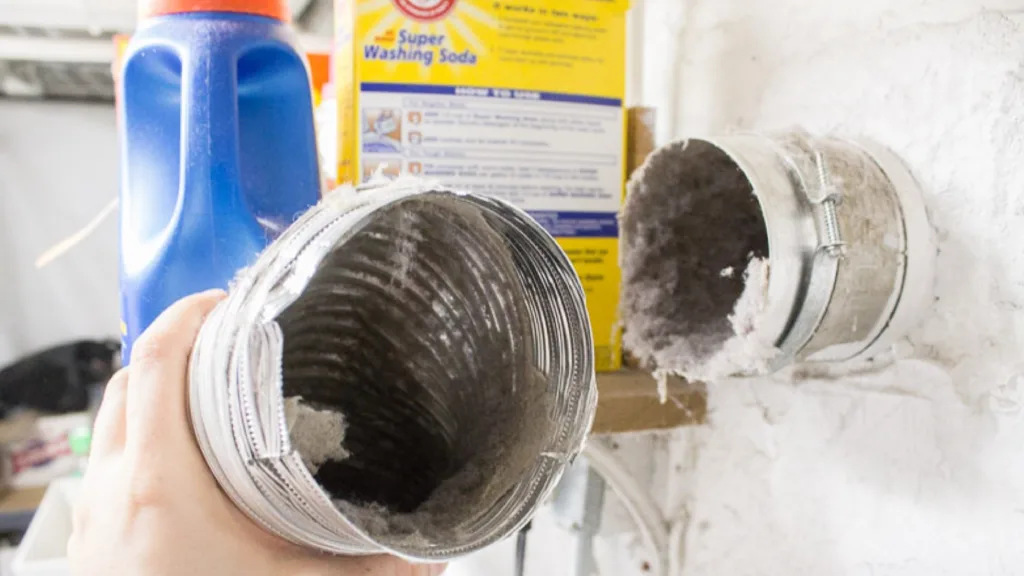
Have you noticed your home getting dusty faster than it used to? Or maybe there’s a musty smell every time your AC kicks on that you just can’t trace to anything obvious? You’re not imagining it, and you’re not alone. Texas homeowners deal with some of the most demanding HVAC conditions in the country. Between the long cooling seasons, heavy humidity, and intense allergy cycles, the signs you need air duct cleaning in Texas can show up faster here than almost anywhere else in the US. Knowing what to look for could protect your family’s health and your energy bill at the same time. At Lara’s Air Duct Cleaning, we’ve inspected duct systems across Texas homes and seen firsthand what builds up inside systems that look perfectly clean from the outside. Here’s what this guide covers: What Do Your Air Ducts Actually Do, and Why Does Dirty Mean Dangerous? Your home’s duct system is the circulatory system of your HVAC unit. Return air intakes pull indoor air back through your filter and into the blower fan. From there, air passes over the evaporator coil, where heat is removed, and then travels through supply ducts to registers and vents in each room. Every cubic foot of conditioned air in your home moves through this pathway multiple times a day. When debris accumulates inside that pathway, it doesn’t just sit there passively. Dust, pollen, pet dander, mold spores, and construction particles can circulate through your living spaces on every cycle. The EPA notes that while duct cleaning has not been proven to prevent health problems in every case, cleaning is appropriate when ducts are visibly contaminated, infested, or clogged with debris. The line between “some dust” and a genuine indoor air quality concern is crossed when buildup restricts airflow, introduces particles into living spaces, or creates conditions for microbial growth. Indoor air pollutants that accumulate in duct systems include biological contaminants like mold and bacteria, particulates like drywall dust and insulation fibers, and allergens like pollen and pet dander. In most cases, what you can’t see is more significant than what you can. Sign 1: You See Dust Blowing From Vents or Dark Streaks Around Registers If you see puffs of dust when your AC or heater first kicks on, or notice dark gray streaks on the wall or ceiling around your supply registers, your ducts are likely overdue for cleaning. This is the most visually obvious sign and the one most homeowners recognize immediately, though many don’t know the name for what they’re seeing. Dust blowing from AC vents on startup typically indicates a significant debris load inside the supply duct. When the system fires up, the initial pressure change dislodges loosened particles and pushes them out through registers before airflow stabilizes. This isn’t a normal behavior in a clean system. Dark streaks near vents, sometimes called ghosting, form when the duct stream carries airborne particles consistently enough that they deposit and stain the surface around the register opening. Their presence signals persistent particle-laden airflow, not a one-time dust event. In Texas homes with attic-mounted units, heat stress on duct seals can pull insulation debris and attic particulates into the supply stream, making registers and vents cleaning more urgent and making ghosting more pronounced than you might expect in a newer home. If your streaks reappear within weeks of wiping them down, the source is inside the system, not just on the surface. Sign 2: There’s a Musty or Stale Smell Every Time Your System Runs A musty, stale, or sour smell that appears when your HVAC cleaning system starts up and fades once the system has been running for a few minutes is one of the most common complaints Texas homeowners report before calling a duct cleaning company. The smell itself has a name: Dirty Sock Syndrome. Dirty Sock Syndrome is caused by microbial growth, specifically bacteria and mold, on the evaporator coil. When the system starts up, air passes over this contaminated surface and carries the odor into your living spaces. Texas’s humidity creates near-ideal conditions for this kind of coil contamination, particularly during shoulder seasons when the system cycles on and off more frequently rather than running continuously. The EPA notes that mold in air ducts warrants professional assessment and that visible mold growth in ducts or on system components is a clear indicator that cleaning is appropriate. The table below covers two common HVAC smells and what they likely indicate: If the smell is… Likely cause Suggested action Musty, sour, or locker-room-like Microbial growth on evaporator coil (Dirty Sock Syndrome) or mold in ductwork Professional cleaning inspection of coil and ducts; chemical free duct cleaning available for sensitive households Burning or electrical Dust on heating elements (normal on first fall use), electrical fault, or motor issue Turn system off; contact HVAC technician before running system again Sign 3: Your Energy Bills Are Climbing and Your HVAC Is Working Harder Than It Should A system working against restricted ducts has to run longer to reach the same temperature, and that extra runtime shows up directly in your electricity bill. High energy bills HVAC complaints are a common reason Texas homeowners investigate their duct systems, particularly after noticing that their bill has climbed even though their usage habits haven’t changed. Clogged HVAC ducts reduce the volume of conditioned air that reaches each room per cycle, forcing the blower fan to compensate by running longer. Blower fan buildup compounds the problem: dust and debris that accumulate on fan blades reduce their efficiency and create imbalance that increases motor strain over time. A dirty evaporator coil reduces heat transfer, meaning the system has to run longer to achieve the same cooling effect. All three conditions can exist simultaneously in a neglected system. ENERGY STAR notes that duct problems can account for significant heating and cooling losses in a typical home. Sign What It Indicates Suggested Action Rising energy bills with no change in usage Restricted airflow or dirty components reducing system efficiency Professional duct inspection and cleaning Uneven room temperatures Blockage or restriction in one
10 Essential Questions to Ask Before Hiring an Air Duct Cleaning Company
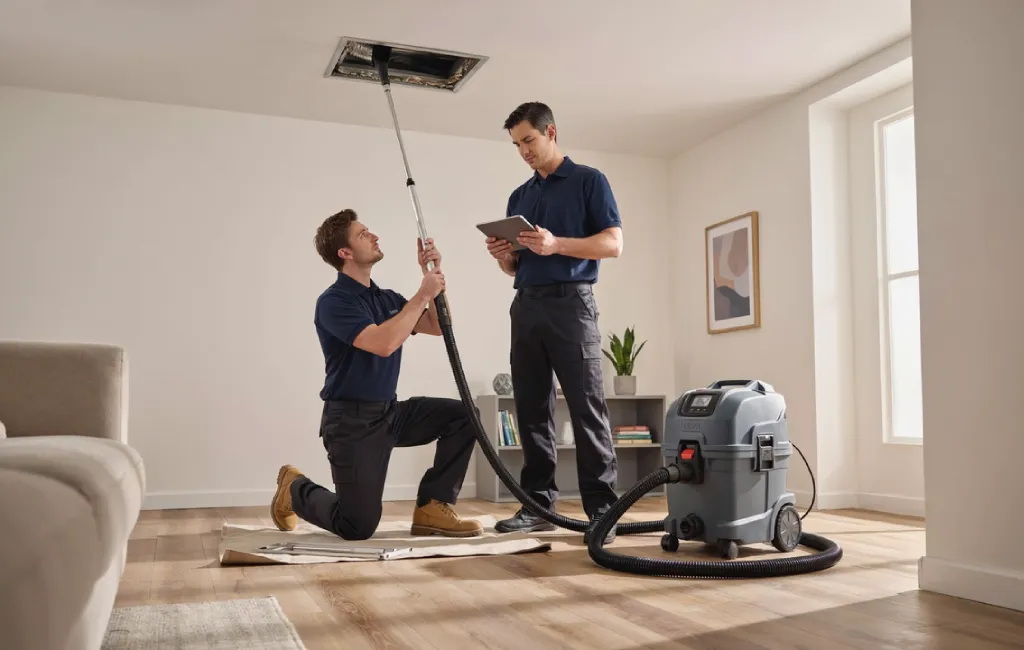
You’ve decided to have your air ducts cleaned. Maybe it’s been years since the last service, someone in your household has allergies, or a technician flagged it during an HVAC tune-up. Whatever brought you here, you’re now looking at a list of local companies and wondering which one you can actually trust inside your home. Before you book anyone, there are ten specific essential questions to ask before hiring an air duct cleaning company. The answers will tell you whether you’re dealing with a qualified professional or a company that will take your money, do incomplete work, and leave before you realize it. At Lara’s Air Duct Cleaning, we’ve answered these questions from thousands of customers, and we believe an informed customer is the best kind. Most homeowners don’t know what separates a legitimate duct cleaning company from a cut-rate operation until after the job is done and something seems off. By the time that happens, the technician is gone, your check has cleared, and your options are limited. Asking the right questions before anyone sets foot in your home takes less than ten minutes and can save you hundreds of dollars, protect your HVAC system, and give you genuine peace of mind about your indoor air quality. Here is what this guide covers so you can hire with confidence: Are You NADCA Certified, and Can I See Proof? NADCA (National Air Duct Cleaners Association) certification is the primary professional credential standard in the duct cleaning industry, and it’s the first thing you should ask about. When a company says they are NADCA certified, ask them for their NADCA member number and look it up yourself at nadca.com. That verification step takes under two minutes and immediately separates companies with active membership from those borrowing the name. The distinction between a company that claims to “follow NADCA standards” and one that actually holds NADCA membership matters more than it might seem. NADCA membership requires companies to employ at least one credentialed technician and carry liability insurance. A company that invokes the name without membership cannot be held to those requirements. Response What It Means “Yes, here is our NADCA member number, you can verify it at nadca.com.” Good answer. Verify it independently. “We follow NADCA standards.” (no member number provided) Red flag. “Following standards” without membership is not the same thing. “We’re certified” with only a logo on a business card or website Red flag. A logo is not a membership certificate. Do You Carry Liability Insurance and Workers’ Compensation, and Will You Send Me the Certificate? Duct cleaning insurance in the form of general liability coverage and workers’ compensation is not optional documentation, it is your protection if something goes wrong. Before any technician enters your home, ask the company to email you a Certificate of Insurance (COI) directly from their insurer. A verbal “yes, we’re insured” is not proof. A logo on a website is not proof. An actual COI is proof. Type of Coverage What It Protects You Against What to Request General Liability Insurance Property damage caused by the technician during cleaning (damaged ductwork, flooring, or HVAC components) COI listing business name, policy number, coverage amounts, and effective dates Workers’ Compensation Injury to a technician that occurs inside your home; without this, an injured worker may have grounds to pursue a claim against your homeowner’s insurance COI showing workers’ comp as a separate line item What Type of Vacuum Equipment Do You Use, and Is It Truck-Mounted? The equipment question is the single fastest way to identify whether a company is equipped to do the job correctly. Ask directly: “Is your primary vacuum unit truck-mounted or portable?” A truck-mounted vacuum generates the level of suction required to create true negative air pressure across a whole-house duct system. A portable vacuum unit does not. Truck-Mounted Vacuum Portable Vacuum Unit Suction Capacity High CFM, sufficient for whole-system negative pressure Low to moderate CFM, insufficient for whole-system cleaning Debris Containment Debris is pulled to a sealed unit outside the home Debris may redistribute inside ducts or living space Negative Pressure Achieved Yes, across the full system Rarely, if ever Typical Use Case Complete whole-house duct cleaning Limited spot cleaning or small systems Red Flag Signal None, this is the professional standard Red flag when presented as adequate for whole-house service What Does Your Cleaning Process Include, and Does It Cover Every Register and Vent? A complete whole house duct cleaning covers every component of your air distribution system, not just the main trunk lines. Before you agree to any service, ask the company to tell you exactly which components are included in the price they quoted. A company doing the job correctly should be able to answer this without hesitation. A complete whole-house duct cleaning process should include all of the following: If a company’s scope of work omits any of these, particularly registers and vents cleaning, you are not receiving a whole-house cleaning regardless of what the invoice says. Will You Do a Visual Inspection Before and After the Cleaning, and Can I See the Documentation? Before and after documentation gives homeowners the most objective proof available. A camera inspection at the start of the job shows the real condition of the system before anyone touches it. Photos at the end prove the work actually got done. Together, these give you a factual record instead of just a technician’s word. Before and after photos should be a standard part of the service, not a premium add-on. Skipping this step is one of the most common air duct cleaning scams in Dallas homeowners run into. Before the technician leaves, run through this post-cleaning verification checklist: How Is Your Pricing Structured, and Will I Receive a Written Estimate Before Work Begins? Bait-and-switch pricing is the most documented consumer protection problem in the duct cleaning industry, and it follows a predictable pattern. Understanding the mechanics, not just the name, is what lets you recognize it before you’re already committed. The question to ask is direct: “What is the total price to clean my