Homeowners across the DFW Metroplex are asking the same question before scheduling a service: how much should air duct cleaning actually cost, and does the price change depending on where you live?
If you own a home in Frisco or McKinney, the short answer is yes. Pricing can vary based on home size, HVAC configuration, access complexity, and the local demand in each city. Understanding what drives those numbers helps you avoid overpaying and spot quotes that seem suspiciously low.
This guide breaks down what you can realistically expect to pay in each city, what that price typically includes, and how to evaluate whether a quote is fair. By the end, you will have a clearer picture of:
- What typical pricing looks like in Frisco vs McKinney
- The factors that raise or lower your final cost
- What a legitimate service includes versus what gets left out
- How North Texas climate conditions affect how often cleaning is needed
- Whether the service has a measurable impact on indoor air quality and energy bills
Typical Air Duct Cleaning Prices in Frisco vs McKinney
Air duct cleaning cost in Dallas and its surrounding cities tends to fall within a predictable range, though the specific number depends on your home and service scope. In both Frisco and McKinney, most residential jobs fall between $300 and $600 for a standard single-story home with a single HVAC system.
Frisco tends to run slightly higher. The city has seen rapid residential growth over the past decade, with many newer builds featuring larger floor plans, two or more HVAC systems, and more complex ductwork layouts. Those factors push the average job toward the $400 to $600 range for a mid-size home.
McKinney sits in a comparable bracket, though the mix of older neighborhoods and newer developments in Collin County means you will find more variation. An older home in a historic McKinney neighborhood may have ductwork that requires more time to clean, while newer construction near Allen or Prosper often follows standard layouts that are faster to service.
A common breakdown by home size looks like this:
| Home Size |
Estimated Range (Single System) |
| Under 1,500 sq ft | $250 to $350 |
| 1,500 to 2,500 sq ft | $350 to $500 |
| 2,500 to 4,000 sq ft | $500 to $700 |
| 4,000+ sq ft or dual system | $700 to $1,000+ |
These figures assume a standard cleaning with negative pressure extraction and vent grate cleaning. Add-ons like antimicrobial sanitization, dryer vent cleaning, or air handler cleaning carry separate costs that are outlined below.
What Affects Your Final Quote
Getting a quote that looks nothing like what a neighbor paid is frustrating. Most of the time, the difference comes down to a handful of specific variables.
- Number of supply and return vents is the most direct cost driver. Contractors often price per vent, with rates ranging from $25 to $45 per opening. A home with 20 vents costs considerably less than one with 35. Before agreeing to any quote, ask how many vents are being counted and whether both supply and return vents are included.
- HVAC system count matters too. Larger homes in Frisco and McKinney frequently have two or three separate systems serving different floors or zones. Each system requires its own setup, vacuum connection, and cleaning cycle. Expect the per-system cost to range from $150 to $250 on top of the base vent pricing.
- Duct material and age play a role in how long the job takes. Flexible ductwork, which is common in homes built after the 1990s across North Texas, requires a gentler approach using rotating brush agitation rather than aggressive mechanical contact. Older rigid metal systems can tolerate more direct cleaning but may have years of compacted buildup that slows the process.
- Accessibility affects labor time more than most homeowners expect. Ducts routed through crawl spaces, tight attics, or wall cavities in older McKinney homes take longer to reach and clean than ducts in open, accessible attic spaces common in newer Frisco builds.
- Add-on services are priced separately by most companies. Dryer vent cleaning typically costs $80 to $150. Antimicrobial sanitization or enzyme treatment, which targets mold spores and bacteria inside the ductwork, usually adds $75 to $200 depending on system size. Pressure testing and before-and-after documentation may be included by some companies but charged separately by others.
Signs Your Air Ducts Need Professional Cleaning
Knowing when to schedule is just as useful as knowing what to pay. There are specific, observable signs that point to a duct system that is overdue for service.
Visible dust accumulation around vent grates is the most obvious signal. If you wipe a vent cover and find a thick layer of gray or brownish buildup within a day or two of cleaning, the system is circulating more particulate than it should be. That dust is not sitting harmlessly on the grille. It is cycling through your living spaces with every system cycle.
Inconsistent airflow across rooms is another reliable indicator. If one bedroom consistently feels stuffy while another runs cold, airflow restriction inside the ductwork may be the cause. Partial blockages from dust buildup, collapsed flexible ducts, or debris accumulation at elbows reduce the volume of air reaching certain zones.
Pet dander removal from ducts becomes relevant for households with dogs or cats. Pet hair and dander accumulate inside ductwork faster than most homeowners realize, particularly in homes where pets spend time near floor vents. This recirculation of contaminants is a frequent trigger for worsened allergy symptoms.
Homes that have recently completed renovation work should treat duct cleaning as a standard post-project task. Drywall dust, insulation fibers, and construction debris settle into open vents during remodels and continue to recirculate long after the project finishes.
A musty or stale smell coming from vents when the system runs is a strong reason to have ducts inspected before scheduling cleaning. That odor can indicate mold growth inside the system, which requires a different treatment approach than standard dust removal.
Air Duct Cleaning Process and What to Expect
Understanding the air duct cleaning process helps you evaluate whether a company is doing the job properly or cutting corners.
A legitimate service begins with an inspection. The technician should examine visible ductwork, check vent grate conditions, and assess the air handler before starting. Skipping this step is a red flag.
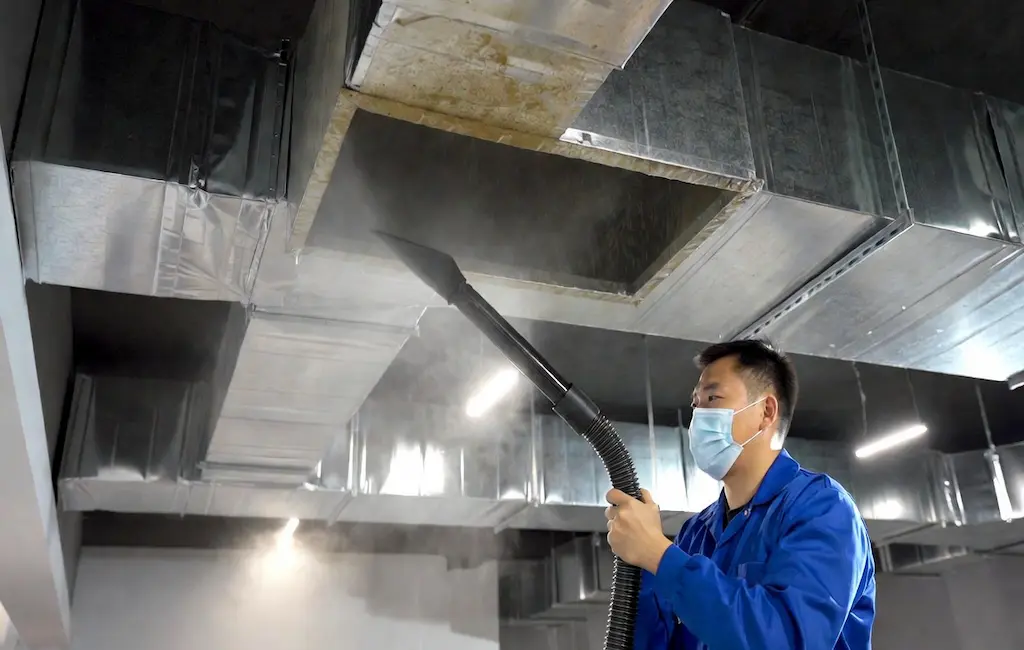
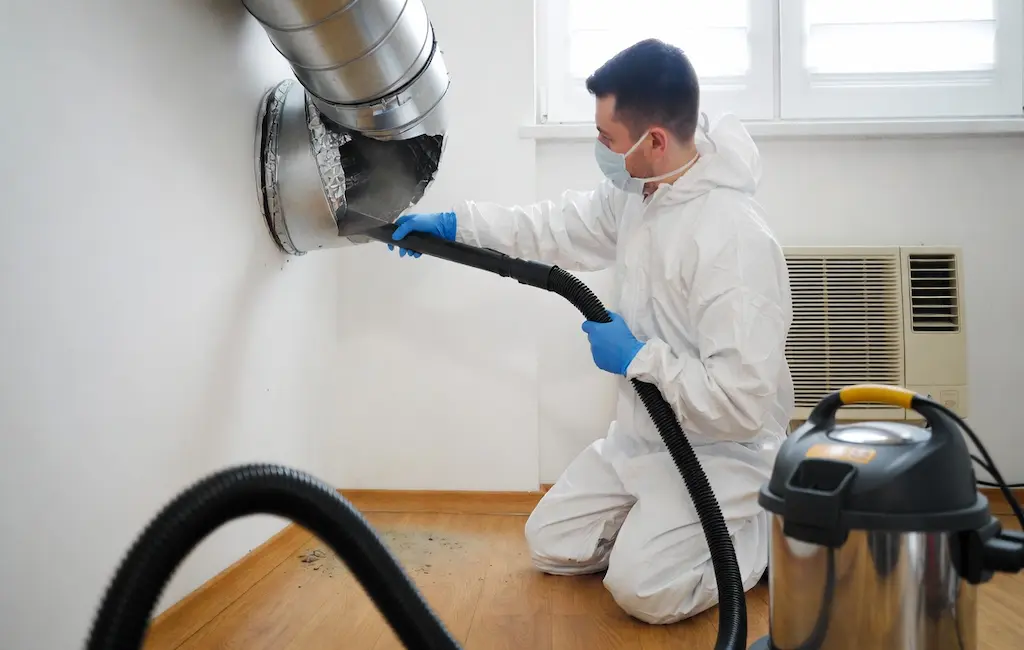
The main cleaning phase uses negative pressure extraction, which involves connecting a high-powered truck-mounted vacuum or HEPA-grade vacuum unit to the main trunk line. This creates suction throughout the system while the technician works through individual vents using rotating brush agitation or compressed air tools. The negative pressure keeps loosened debris from escaping back into living spaces.
Each supply and return vent is individually cleaned, usually by removing the vent grate, inserting a brush or air whip into the duct opening, and allowing the vacuum to draw out the dislodged material. The air handler and blower compartment should be cleaned as part of this process since those components collect debris that recirculates through the entire system.
After mechanical cleaning, companies offering antimicrobial sanitization apply an EPA-registered antimicrobial product inside the duct system. This step targets residual mold spores, bacteria, and allergens that brushing alone does not eliminate. It is particularly relevant for Texas homes that run air conditioning heavily during summer months, as condensation inside HVAC systems creates conditions that support mold growth.
The job should end with a post-cleaning walkthrough, including a check of airflow at each vent and documentation of the work performed. Before-and-after documentation, either photos or inspection notes, gives you a record to reference and confirms the work was completed as quoted.
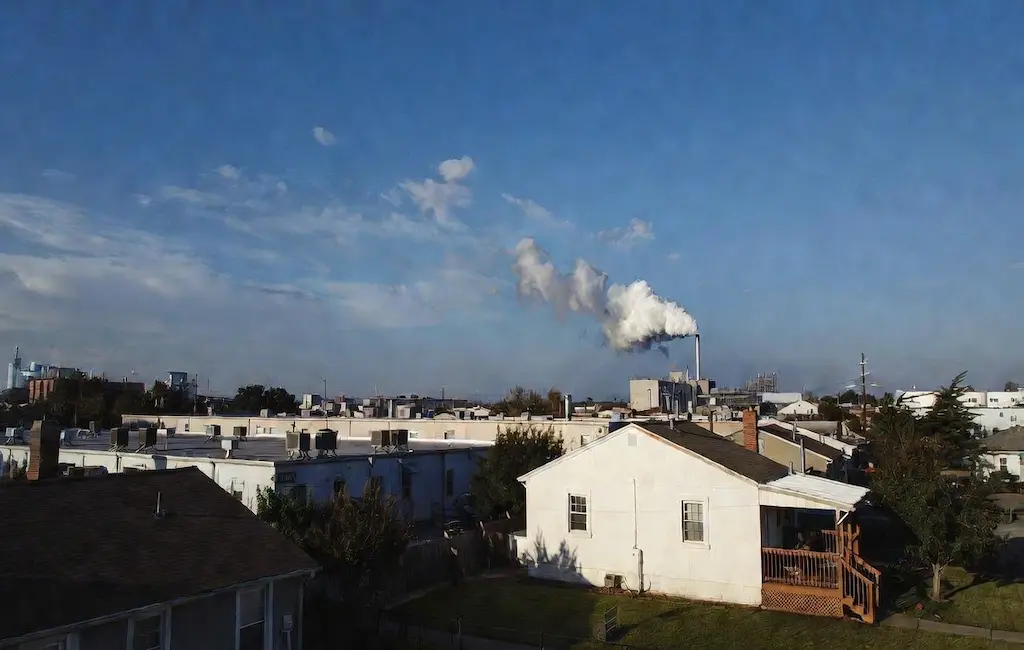
North Texas Climate and Dirty Air Ducts
The North Texas climate creates conditions that accelerate duct contamination compared to many other regions of the country. This is worth understanding before you decide whether the service is worth scheduling and how often to plan for it.
Texas experiences prolonged pollen seasons. Cedar fever from mountain cedar trees peaks in winter, while oak, grass, and ragweed extend the season through spring and fall. Homes in McKinney, Frisco, Allen, and Plano run their HVAC systems for most of the year, pulling outdoor air across the filter and through the ductwork continuously. Filters capture a portion of pollen allergens, but fine particles pass through and settle inside duct passages over time.
Summer heat in the DFW Metroplex means air conditioning runs almost constantly from May through September. That extended runtime increases the volume of air cycling through the system and accelerates debris accumulation inside ducts. It also means the system generates condensation more frequently, which raises humidity inside ductwork and creates conditions where mold in air ducts can develop.
Homes near construction zones, which are common throughout fast-growing Collin County cities like Frisco and Prosper, face an additional load. Fine construction dust from nearby developments enters through outdoor air intakes and settles throughout the duct system.
How Often Should You Clean Air Ducts in McKinney and Frisco
The general guidance from the NADCA standards (National Air Duct Cleaners Association) recommends air duct cleaning for mold and pollen removal and routine maintenance every three to five years for most residential systems. That baseline shifts based on your specific situation.
Homes with pets, allergy sufferers, or residents with respiratory conditions benefit from more frequent service, typically every two to three years. If you have multiple pets or a household member with asthma or chronic allergies, the recirculation of pet dander and pollen allergens through an uncleaned system can noticeably worsen symptoms.
Families that recently moved into a previously owned home should consider cleaning regardless of the last service date, since that information is rarely available and prior maintenance habits are unknown.
New construction homes are not exempt. Construction debris, drywall dust, and insulation particles are frequently found inside ductwork of newly built homes in Frisco and McKinney. A post-construction cleaning before moving in prevents that material from recirculating once the system runs regularly.
A preventive maintenance plan that includes annual filter changes, coil inspection, and periodic duct checks gives homeowners in North Texas the best long-term outcome for both air quality and system performance.
Does Air Duct Cleaning Improve Energy Efficiency
The relationship between clean ducts and energy efficiency duct cleaning outcomes is real but conditional. Cleaning alone does not transform an inefficient system, but it does remove a common drag on performance that many homeowners overlook.
Dust buildup and airflow restriction inside ductwork force the HVAC system to work harder to move the same volume of conditioned air. A system straining against blocked passages runs longer cycles to reach the target temperature, which increases energy consumption. Removing that restriction restores designed airflow levels and allows the system to operate within its intended parameters.
The air handler and blower are the most directly affected components. When the blower wheel accumulates a layer of dust and debris, it loses rotational efficiency and moves less air per cycle. Air handler cleaning as part of a full duct service restores that efficiency, particularly in systems that have not been serviced in several years.
Homes in Frisco and McKinney that run their HVAC systems for eight or more months per year have more to gain from this efficiency benefit than homes in milder climates. Even a modest improvement in system efficiency across a long cooling and heating season produces measurable savings on monthly energy bills.

Benefits of Air Duct Cleaning for Allergies in Texas
Benefits of air duct cleaning for allergies are most pronounced in households where allergy symptoms seem to worsen indoors despite keeping windows closed and running air conditioning. That pattern often points to the duct system as a source of recirculated allergens.
Indoor air quality testing in homes with heavily contaminated ductwork frequently reveals elevated concentrations of dust, mold spores, and pollen allergens inside living spaces. These particles settle into ductwork over years of operation and re-enter the breathing zone each time the blower runs. For allergy sufferers, this creates a cycle that is difficult to manage through medication or air purifiers alone.
Cleaning removes the accumulated reservoir of these particles. Combining mechanical cleaning with antimicrobial sanitization addresses both the physical debris and the biological contaminants that standard vacuuming does not reach. For households dealing with recurring allergy symptoms tied to indoor exposure, the improvement after a thorough duct cleaning is often noticeable within the first few weeks of operation.
Whole-home air quality improvement requires addressing the source rather than just filtering what is already circulating. Clean ductwork gives your filtration system a cleaner starting point, which extends filter life and improves the overall air quality your system delivers.
Why Lara’s Air Duct Cleaning Is the Right Choice for DFW Homeowners
Choosing an air duct cleaning company in a market as large as the DFW Metroplex means sorting through a wide range of service quality and pricing transparency. Lara’s Air Duct Cleaning was built around a straightforward approach: do the work properly, charge a fair price, and give homeowners documentation they can trust.
- Transparent flat-rate pricing: So you know the full cost before work begins, with no hidden charges added after the job.
- Truck-mounted equipment and HEPA-grade vacuum systems: Used on every job, not undersized portable units that leave debris behind.
- NADCA-aligned cleaning methods: Including negative pressure extraction and rotating brush agitation, applied consistently across every duct in the home.
- EPA-registered antimicrobial sanitization: Available for homes dealing with mold spores, pollen buildup, or persistent odor issues.
- Before-and-after documentation: Provided at the end of every job so you have a record of the work completed.
- Apples-to-apples guarantee: On workmanship, meaning if something was missed during the service, it gets corrected without an additional charge.
If you are ready to schedule a service in Frisco, McKinney, or anywhere across the Dallas and Fort Worth area, contact Lara’s Air Duct Cleaning today for a transparent quote with no surprises.
Frequently Asked Questions
How long does residential duct cleaning take?
Most single-system homes take two to four hours. Larger homes with dual systems or complex ductwork can run four to six hours. The technician should be able to give you a time estimate after the initial inspection.
Is the price different if I have a two-story home?
Yes, in most cases. Two-story homes typically have more vents and often more than one HVAC system. Expect the price to reflect the additional vent count and system setup rather than a flat surcharge for having two floors.
Does cleaning the ducts replace the need for regular filter changes?
No. Duct cleaning and filter maintenance address different parts of the system. Regular filter changes remain necessary to capture incoming particles before they enter the ductwork. Clean ducts and clean filters work together to maintain air quality.
Can duct cleaning make mold worse by spreading it through the home?
Only if the cleaning is done improperly without negative pressure containment. A correctly performed service uses suction to pull debris out of the system rather than allowing it to escape into living areas. If mold is suspected, discuss antimicrobial treatment with the company before scheduling.
What is the difference between dryer vent cleaning and duct cleaning?
Dryer vent cleaning addresses the exhaust pathway from your dryer to the exterior of the home, which accumulates lint and poses a fire risk when blocked. Air duct cleaning covers the HVAC distribution system. They are separate services that address different systems and are usually priced independently.
Conclusion
Most homes in Frisco and McKinney fall between $300 and $600 for a standard duct cleaning, with the final number depending on home size, system count, and service scope. North Texas running conditions mean ducts fill up faster here than in most other regions, which makes regular maintenance worth planning for.
Lara’s Air Duct Cleaning serves homeowners throughout Dallas, Frisco, McKinney, Plano, Irving, Richardson, and across the DFW Metroplex. Call us at [phone number] or visit Lara’s Air Duct Cleaning Website to get a flat-rate quote for your home today.